



The Costa Blanca has long been synonymous with sun-drenched beaches and affordable holidays, but there’s another side to Spain’s White Coast that discerning buyers are increasingly discovering. Beyond the tourist hotspots lies a world of refined living where Mediterranean charm meets contemporary luxury, creating a lifestyle that’s as sophisticated as it is relaxed.
The Appeal of Year-Round Mediterranean Living
With over 300 days of sunshine annually and average temperatures that rarely dip below comfortable, the Costa Blanca offers something most European destinations can’t: genuine year-round outdoor living. This isn’t just about beach weather. It’s about morning tennis in February, alfresco dining in November, and golf rounds in January.
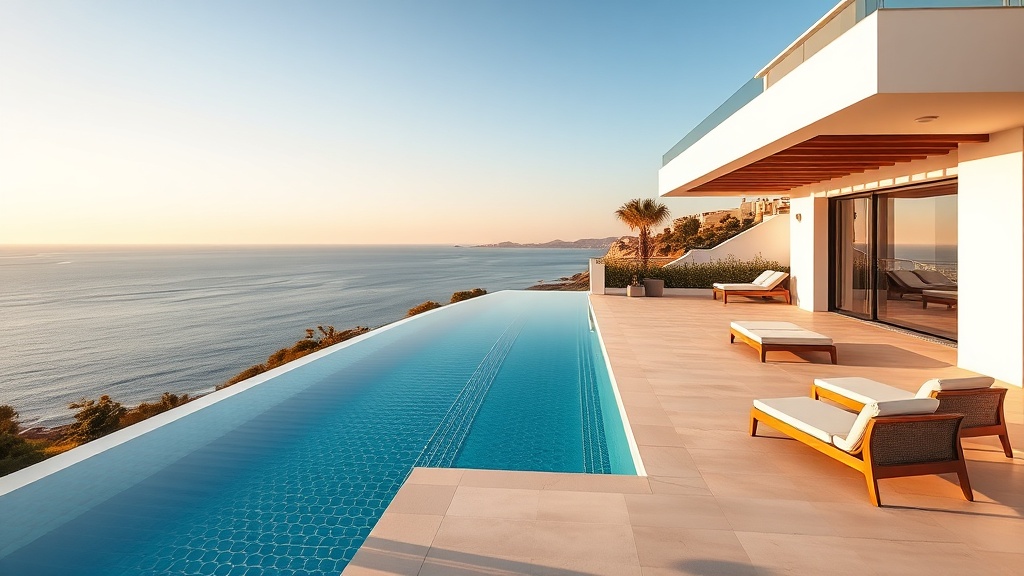
The climate shapes everything here. Architectural styles favour open-plan designs that blur the boundaries between inside and out. Infinity pools become natural extensions of living spaces. Terraces aren’t afterthoughts—they’re where life actually happens. For luxury buyers accustomed to six months of grey skies elsewhere, this transformation in daily living patterns proves revelatory.
Culinary Excellence Beyond Paella
The Costa Blanca’s gastronomic scene has evolved dramatically over the past decade. While traditional Spanish cuisine remains the foundation, Michelin-starred restaurants now dot the coastline. Quique Dacosta in Dénia holds three stars, whilst Alicante, Altea, and surrounding areas boast an impressive collection of one and two-starred establishments.
Beyond fine dining, the region’s food culture runs deep. Weekly markets overflow with produce from the surrounding huerta—tomatoes that actually taste like tomatoes, local almonds, oranges straight from nearby groves. Coastal towns offer seafood so fresh it was swimming that morning. Wine regions like Alicante DO and nearby Jumilla produce world-class bottles that never make it beyond Spain because locals drink them first.
For those embracing the luxury lifestyle here, food becomes a daily pleasure rather than an occasional treat. Many high-end properties incorporate professional kitchens and outdoor cooking areas, recognising that entertaining at home is central to Mediterranean living.
Championship Golf and Premium Sports Facilities
The Costa Blanca boasts some of Europe’s finest golf courses, many designed by legends of the sport. Las Colinas Golf & Country Club, La Finca, and Villamartín represent just a fraction of the championship-standard courses available within easy reach. Properties near these prestigious courses offer not just convenience but access to vibrant social communities built around the sport.
Tennis clubs, sailing clubs, and equestrian centres maintain similarly high standards. The marinas at Alicante, Torrevieja, and Dénia cater to serious sailors and yacht owners, whilst cycling routes through the interior attract professionals during European winter training camps.
Cultural Richness Often Overlooked
Whilst many associate the Costa Blanca purely with beaches, the region offers surprising cultural depth. Alicante’s MARQ archaeological museum ranks among Spain’s best. The ADDA concert hall hosts international orchestras and opera productions. Historic towns like Altea preserve medieval charm, their cobbled streets lined with galleries showcasing contemporary Spanish artists.
Traditional festivals continue throughout the year—not tourist performances but genuine celebrations locals actually attend. Las Hogueras in Alicante, Moros y Cristianos celebrations across multiple towns, and weekly markets that have operated for centuries all contribute to a sense of place and continuity often missing in purely resort-focused destinations.
Healthcare Standards That Rival Northern Europe
One practical consideration that significantly influences luxury buyers is healthcare access. The Costa Blanca’s private healthcare system matches or exceeds standards found in the UK, Germany, or Scandinavia. State-of-the-art hospitals in Alicante, Torrevieja, and Dénia employ multilingual staff and offer comprehensive services.
Many doctors trained in northern Europe have relocated here themselves, understanding the concerns of international patients. Short waiting times, modern facilities, and costs that seem remarkably reasonable by UK private healthcare standards make medical care a genuine advantage rather than a concern.
The Social Fabric: International Yet Integrated
Perhaps the most underestimated aspect of the Costa Blanca luxury lifestyle is the quality of the international community. This isn’t an expat bubble disconnected from local life. Instead, you’ll find a sophisticated blend where British, German, Scandinavian, and Dutch residents integrate with Spanish culture whilst maintaining their own traditions.
Business networks, cultural associations, and social clubs create immediate connection points for newcomers. Yet the proximity to authentic Spanish life—local bars where residents gather for morning coffee, traditional restaurants untouched by tourism, neighbourhood festivals—allows for genuine cultural immersion if desired.
Property That Matches the Lifestyle
The Costa Blanca’s luxury property market has matured significantly. Contemporary villas showcase cutting-edge architecture with smart home technology, infinity pools with Mediterranean views, and finishes that wouldn’t look out of place in Marbella or Monaco. Sea view properties command premium prices but deliver that essential connection to the coast that defines living here.
Equally, restored fincas in the interior offer space, privacy, and a different kind of luxury—one measured in hectares of olive groves rather than proximity to marina berths. The variety means the Costa Blanca lifestyle adapts to individual preferences rather than forcing everyone into the same mould.
Practical Advantages That Matter Daily
Beyond the lifestyle attractions, practical factors make the Costa Blanca particularly appealing for luxury buyers. Alicante-Elche airport connects directly to over 100 European destinations, with London just two hours away. Motorway networks mean you can reach Valencia in 90 minutes or Murcia in an hour.
The cost of living, even at the luxury end, remains notably lower than equivalent coastal areas in France or Italy. Property taxes sit well below UK or Scandinavian levels. Domestic help, garden maintenance, and pool care cost a fraction of northern European rates, making a luxury lifestyle genuinely sustainable rather than prohibitively expensive.
Environmental Quality Often Taken for Granted
The Costa Blanca’s Blue Flag beaches testify to water quality, but environmental standards extend beyond the coast. Air quality consistently ranks among Europe’s best. The surrounding mountains remain largely undeveloped, offering hiking, cycling, and nature reserves just minutes from coastal towns.
For those accustomed to urban pollution or crowded countryside in northern Europe, the space and clean environment here represent luxuries money can’t easily buy elsewhere.
Making the Transition
Embracing the Costa Blanca luxury lifestyle requires more than simply purchasing property. It means adapting to a different rhythm—late dinners, afternoon siestas in summer, a more relaxed approach to timekeeping. It means learning at least basic Spanish, though English is widely spoken. It means accepting that banks close for lunch and Sunday truly is a day of rest.
Yet for those willing to adapt, the rewards prove substantial. The combination of climate, culture, cuisine, and community creates a quality of life that’s difficult to replicate elsewhere. The Costa Blanca doesn’t try to be Monaco or the Côte d’Azur. It offers something distinctly Spanish, refreshingly unpretentious, yet undeniably luxurious in the ways that actually matter to daily living.
Whether you’re considering a permanent move or seeking a winter escape that feels like home, the Costa Blanca luxury lifestyle delivers substance behind the sunshine.