





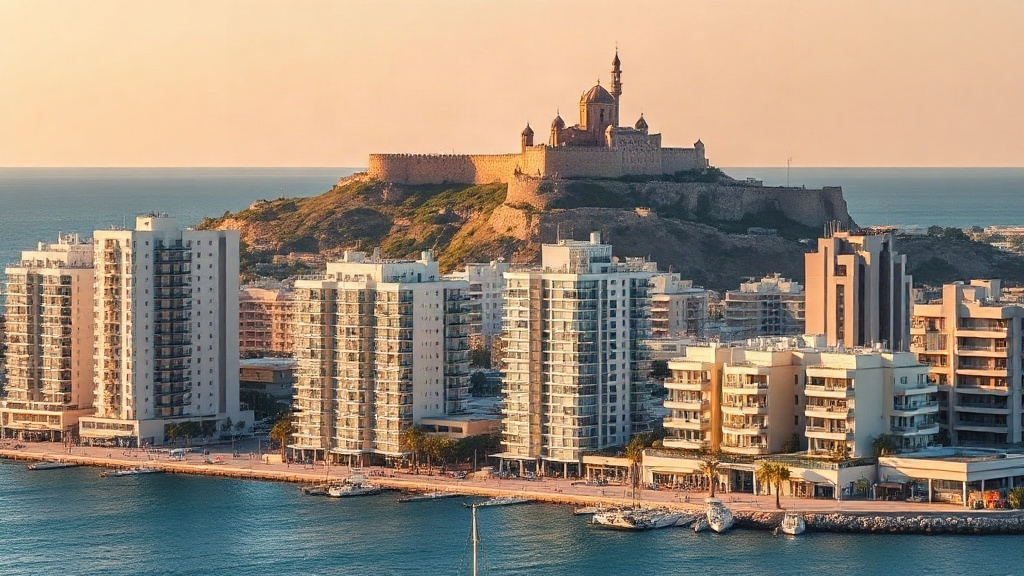
Alicante has quietly positioned itself as one of Spain’s most compelling destinations for high-end property investment. While Barcelona and Marbella have long dominated the luxury market conversation, this Mediterranean city is experiencing a transformation that’s catching the attention of discerning investors looking beyond the obvious choices.
The shift isn’t happening by accident. A combination of infrastructure investment, changing buyer preferences, and strategic urban development has created conditions that favour premium property appreciation. For investors who understand market cycles, the opportunity lies in recognising value before it becomes consensus.
Infrastructure Driving Premium Value
Alicante’s appeal to luxury investors starts with connectivity. The international airport handles over 15 million passengers annually, with direct flights to major European capitals taking under three hours. This accessibility matters when your investment strategy includes rental income from affluent holidaymakers or when you’re managing multiple properties across different markets.
The high-speed rail connection to Madrid takes just over two hours, linking the coast to Spain’s financial centre. For investors considering mixed-use strategies or those who value flexibility, this infrastructure reduces the traditional isolation of coastal investments. You’re not buying into a seasonal resort town—you’re acquiring assets in a year-round city with genuine economic substance.
The port development has added another dimension. Alicante now accommodates luxury cruise ships and high-end yacht traffic, bringing a different class of visitor to the city. This maritime investment signals long-term commitment to positioning Alicante within the premium tourism circuit, which directly impacts rental yields and capital appreciation potential for waterfront properties.
The New Luxury Buyer Profile
Today’s luxury property investor in Alicante looks different from a decade ago. The market has evolved beyond retirement-focused buyers seeking coastal apartments. We’re seeing tech entrepreneurs establishing remote work bases, international families seeking European residency options, and seasoned investors diversifying away from overheated markets.
These buyers prioritise quality of life alongside returns. They want properties in cities with cultural depth, excellent healthcare, international schools, and sophisticated dining. Alicante delivers on these fronts while maintaining price points that still offer genuine value compared to saturated luxury markets. When you can acquire premium property here for 30-40% less than equivalent assets in established hubs, the investment case becomes compelling.
The residency visa programmes have accelerated this shift. Investors seeking Golden Visa qualification find Alicante properties that meet the threshold whilst offering better lifestyle returns than equivalent purchases in Madrid or Barcelona. The combination of qualifying investment and desirable location creates a natural buyer pool that supports price stability.
Where Premium Development is Concentrated
Understanding where different areas of Alicante offer distinct advantages becomes crucial when evaluating luxury investment opportunities. The city isn’t homogeneous—different districts serve different investment strategies.
The Cabo de las Huertas area exemplifies true luxury coastal living. Properties here command premium prices, but they’re backed by scarcity—there’s limited development land, and what exists is largely built out. For investors prioritising capital preservation over high yield, this scarcity creates a protective moat around valuations. The area attracts Spanish domestic buyers with significant purchasing power, which provides liquidity that some coastal markets lack.
San Juan beach represents a different opportunity. The district has seen substantial new development, including high-specification apartments with resort-style amenities. The investment case here centres on rental income—both short-term holiday lets and longer-term corporate rentals. The beach itself rivals Alicante’s city beach for quality whilst offering more space and less density, which appeals to families willing to pay premium rates.
The city centre has undergone remarkable regeneration. Historically overlooked by international buyers, the Ensanche and surrounding districts now host boutique developments targeting urban luxury buyers. These properties offer something different—walkable access to culture, dining, and services within historic architecture. For investors seeking differentiation or targeting the growing remote work demographic, these central assets deserve consideration.
The New Build Advantage
Much of Alicante’s luxury opportunity sits within new construction. Modern developments offer specifications that older properties simply cannot match—integrated smart home systems, superior energy efficiency, and amenities that today’s luxury renters expect as standard.
The off-plan purchase route provides investors with structured payment plans that improve cash flow management during the acquisition phase. More significantly, buying new construction in Spain means acquiring an asset with no deferred maintenance, full warranties, and contemporary design that won’t require updating for years. These factors directly impact net yields when you factor in actual ownership costs rather than just headline rental income.
Developers in Alicante have raised their game significantly. International architecture firms are designing projects here, and construction quality reflects the competition for premium buyers. The result is a stock of luxury inventory that genuinely competes with what you’d find in more established markets, but at acquisition costs that still favour the investor.
Rental Market Dynamics
Luxury rental demand in Alicante breaks into distinct segments, each with different yield characteristics. Holiday rentals during peak season can generate significant income—premium properties in prime locations command rates that reflect the city’s growing reputation as a sophisticated destination rather than a mass-market resort.
The corporate rental market provides stability that pure holiday lets cannot. Alicante hosts regional headquarters for multiple national and international companies. Executives on temporary assignments seek high-quality accommodation, and they’re typically supported by corporate budgets that prioritise convenience and quality over price negotiation. These tenancies run six to twelve months, dramatically reducing vacancy and management intensity compared to weekly holiday turnovers.
The long-term residential rental market for luxury properties has strengthened as Alicante attracts more affluent permanent residents. Remote workers, early retirees, and international families create demand for premium properties on annual contracts. Yields are lower than short-term strategies, but so are the management costs and regulatory risks.
Regulatory Environment and Investment Protection
Spain’s property market operates within a robust legal framework that protects investor interests. Title registration is comprehensive, mortgage markets are sophisticated, and property rights are well-established. For international investors, this legal certainty matters—you’re not navigating uncertain regulatory environments or untested ownership structures.
Tourism rental regulations in Alicante have stabilised. The city requires proper licensing for holiday rentals, which creates a barrier to entry that protects compliant investors from unregulated competition. This licensing regime favours professional investors who understand the proper acquisition and setup process over casual buyers hoping to generate income without proper structure.
Tax treatment of property investment in Spain is transparent and predictable. Non-resident investors face clear tax obligations on rental income and eventual capital gains, but the rates are reasonable and the system is administered efficiently. For investors accustomed to complex or punitive tax regimes elsewhere, Spain’s approach offers welcome clarity.
Market Timing Considerations
Alicante’s luxury market sits at an interesting point in its cycle. Prices have appreciated from post-financial crisis lows, but they haven’t reached the speculative excess that characterises some coastal markets. Transaction volumes in the premium segment indicate healthy demand without the frenzy that often precedes corrections.
The supply pipeline for luxury properties remains disciplined. Developers learned hard lessons from previous oversupply situations, and current projects target specific demand rather than speculative construction. This supply discipline supports price stability even as the market grows.
Currency dynamics add another layer for international investors. Sterling and dollar investors benefit from favourable exchange rates compared to historical averages, which effectively reduces acquisition costs when converting from home currencies. This currency advantage won’t last indefinitely, but it currently enhances the investment case for non-euro buyers.
Why Smart Money is Watching
Institutional investors have begun acquiring Alicante luxury assets, which signals market maturation. When professional capital allocators with rigorous due diligence standards enter a market, it validates the investment thesis that early private investors identified. This institutional participation also improves market liquidity—there’s an emerging buyer base beyond individual purchasers when you eventually exit.
The fundamental drivers supporting Alicante’s luxury market aren’t cyclical—they’re structural. The city’s climate, infrastructure, and cultural assets aren’t going anywhere. As northern Europe continues to prioritise quality of life and remote work enables location flexibility, Mediterranean cities with genuine urban depth will capture disproportionate demand. Alicante is positioning itself to benefit from this multi-decade trend.
For investors evaluating luxury investment opportunities Alicante offers, the proposition centres on acquiring quality assets in a market that’s maturing rapidly but hasn’t yet fully priced in its potential. The window exists because the market remains somewhat underappreciated relative to its fundamentals. That window won’t stay open indefinitely.