





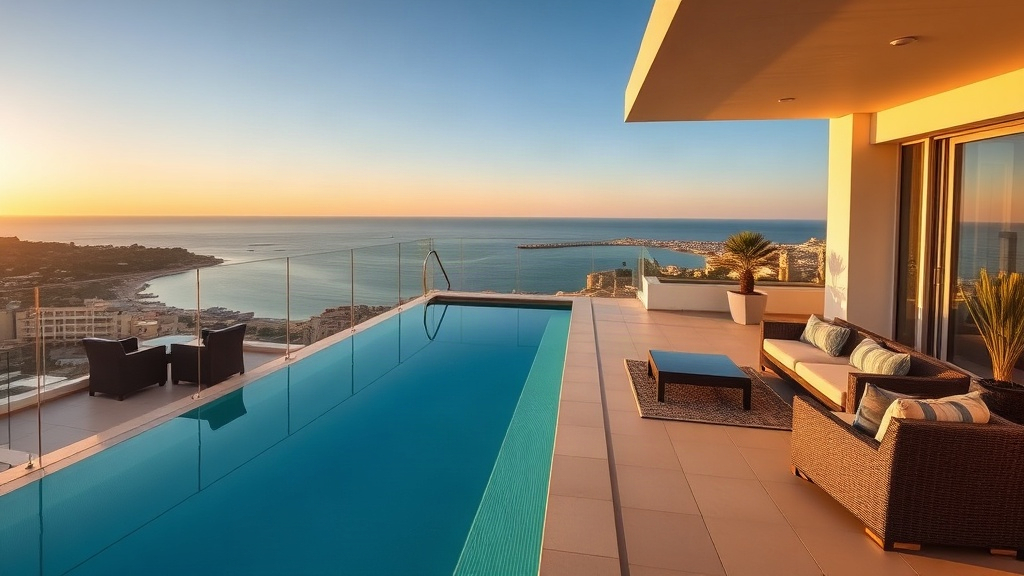
Alicante has quietly transformed from a second-home destination into a serious contender for luxury property investment. While coastal hotspots like Marbella and Ibiza have long dominated Spain’s high-end market, this Mediterranean city offers something increasingly rare: authentic luxury combined with genuine lifestyle appeal.
The numbers tell part of the story. Prices in Alicante’s prime areas have risen steadily over the past three years, yet they remain 30-40% below comparable properties in Marbella or Mallorca. But what’s really changed isn’t just pricing—it’s the quality and sophistication of what’s being built.
What’s Driving the Luxury Market
Several factors have converged to create Alicante’s current moment. The city’s international airport handles over 15 million passengers annually, with direct connections to major European cities year-round. This isn’t seasonal accessibility—it’s the kind of connectivity that supports full-time residency.
The climate plays its part too. With 300 days of sunshine and mild winters, Alicante delivers the Mediterranean lifestyle without the extreme summer heat of southern Spain. You’ll find residents dining outdoors in January and genuinely using their pools from April through October.
But perhaps the most significant shift has been in infrastructure and services. Private hospitals, international schools, Michelin-starred restaurants, and modern shopping centres have elevated the city’s daily living standards to match what discerning buyers expect.
Where New Luxury Developments Are Emerging
The luxury real estate Alicante market isn’t concentrated in a single neighbourhood. Instead, distinct pockets are emerging, each with its own character and appeal.
The Cabo de las Huertas area, stretching along the northern coastline, has become synonymous with seafront luxury. New developments here typically feature penthouse apartments with panoramic Mediterranean views, private pools, and direct access to rocky coves. Prices start around €600,000 for a two-bedroom unit and can exceed €2 million for premium penthouses.
Further north, the San Juan beach area is seeing a wave of contemporary residential complexes. These aren’t your typical Costa Blanca developments—expect floor-to-ceiling glass, sustainable building certifications, and amenities like co-working spaces alongside traditional pools and gyms. The focus here is on modern living rather than traditional Spanish aesthetics.
For those preferring elevation over beachfront, the hills behind Alicante city—particularly around Bonalba and El Rebolledo—are attracting villa developments. These properties offer views across the city to the sea, larger plot sizes, and genuine privacy. Many incorporate smart home technology, wine cellars, and indoor-outdoor living spaces that blur the line between interior and terrace.
The New Build Advantage
Buying new construction in Alicante’s luxury segment offers distinct advantages over resale properties. Energy efficiency is one—new builds must meet current Spanish building regulations, which means superior insulation, efficient climate control, and significantly lower running costs.
Customisation is another. Many developers of new build properties in Spain offer buyers the chance to personalise finishes, layouts, and fixtures during construction. This can mean choosing everything from kitchen appliances to bathroom tiles, creating a property that genuinely reflects your preferences without the disruption of post-purchase renovation.
Warranty protection shouldn’t be overlooked either. New builds in Spain come with a 10-year structural guarantee, plus shorter warranties on installations and finishes. For international buyers who won’t be on-site year-round, this peace of mind has real value.
What Luxury Actually Means in Alicante
The definition of luxury varies significantly across Spain’s property markets. In Alicante, certain features have become standard expectations rather than optional extras.
Parking is non-negotiable—and not just a single space. Properties above €500,000 typically include two dedicated spaces, often in secure underground garages with electric vehicle charging points.
Sea views command a premium, but developers have learned that partial sea views from upper floors often provide better value than ground-floor properties with garden access but limited vistas. Buyers are increasingly sophisticated about aspect and view corridors.
Communal facilities have evolved beyond the basic pool. Expect heated pools, separate children’s pools, fully equipped gyms, spa areas with sauna and jacuzzi, landscaped gardens with meditation zones, and even outdoor cinemas. These aren’t afterthoughts—they’re integrated design elements.
Inside the properties themselves, premium finishes mean Porcelanosa bathrooms, underfloor heating throughout, Siemens or Bosch kitchen appliances, motorised blinds, pre-installed air conditioning, and home automation systems. The quality of joinery, the weight of doors, the silence between units—these details separate genuine luxury from aspirational marketing.
Price Points and What They Buy
Understanding where your budget sits in Alicante’s luxury market helps set realistic expectations.
Between €400,000 and €600,000, you’re looking at well-appointed two or three-bedroom apartments in good locations. These properties will have quality finishes and communal facilities, but you’ll likely compromise on either sea views, plot size, or proximity to the beach.
The €600,000 to €1 million bracket opens up genuine luxury options. Expect seafront penthouses, larger villas with private pools, or exceptionally well-located apartments with standout features. This is where you stop compromising on the key elements that matter to you.
Above €1 million, you enter bespoke territory. Frontline villas with infinity pools, expansive penthouses with private terraces exceeding 100 square metres, or architectural statement properties in exclusive developments. At this level, scarcity becomes a factor—there simply aren’t many properties, and those that exist often sell before public marketing.
The Investment Angle
Many buyers approach luxury real estate Alicante with both lifestyle and investment in mind. The rental market here supports this dual purpose, though it operates differently than in more touristy areas.
Short-term holiday rentals in luxury properties can generate strong summer returns, particularly in beachfront locations. However, Alicante’s year-round appeal means long-term rentals to international executives, retirees, or remote workers are increasingly viable. These tenants value quality over location novelty and typically treat properties with care.
The broader appeal of different areas within Alicante affects both appreciation potential and rental demand, making location selection crucial for investment returns.
Navigating the Purchase Process
Buying luxury property in Spain involves more complexity than standard purchases, primarily due to higher transaction values and often more sophisticated contractual arrangements.
Reserve contracts for new builds typically require a 10% deposit, with stage payments as construction progresses. These payment structures need careful review—you want your funds protected through bank guarantees until completion.
Legal due diligence becomes more important at higher price points. This isn’t just about verifying ownership—it’s about understanding building licences, community statutes, potential future developments nearby, and any restrictions on use or rental.
Tax planning matters too. Spanish property taxes, wealth taxes, and inheritance taxes can significantly impact the total cost of ownership. Getting specialist advice before purchase rather than afterwards can save substantial sums and avoid complications.
The Outlook
Alicante’s luxury market shows no signs of slowing. Several major developments are in planning stages, including a significant marina expansion that will add berthing for larger yachts and associated luxury amenities.
The city continues investing in infrastructure—new tram lines, road improvements, and cultural facilities that enhance its appeal to permanent residents rather than just holidaymakers. This matters because sustainable property markets need year-round demand, not seasonal spikes.
Perhaps most tellingly, international developers who previously focused exclusively on Marbella or Mallorca are now active in Alicante. They see what early movers have already discovered: a market with room to grow, buyers who appreciate quality, and a location that delivers genuine Mediterranean living without the inflated pricing of overcrowded alternatives.
For buyers willing to look beyond the obvious choices, Alicante represents that rare combination of current lifestyle appeal and future growth potential. The question isn’t whether the market will mature—it’s whether you want to be part of it before everyone else figures it out.
Have a look at our luxury properties is Spain