





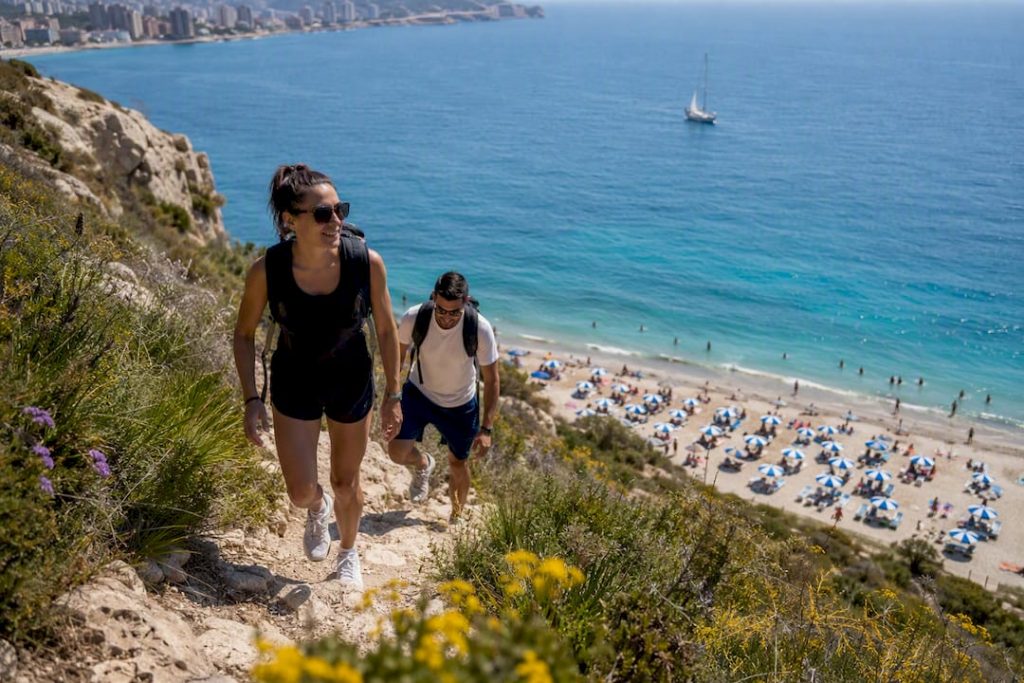
Yes, Calpe suits most UK retirees and full-time expats who want reliable weather, a genuine international community and beach access without an isolated feel. A significant portion of the town’s population is foreign-born, giving newcomers an established, English-speaking social layer from day one, and the Peñón de Ifach dominates the skyline above two well-regarded beaches that anchor daily life. Three things to do before committing:
-
Book a 3 to 5 day scouting visit outside peak summer to see the town at a realistic pace.
-
Check current UK to Spain visa requirements for stays beyond 90 days before you plan anything else.
-
Speak to a local agent early so you understand what your budget actually buys in each neighbourhood.
Key Takeaways
Calpe offers UK retirees and remote workers a genuinely liveable coastal base, combining an established international community, comparatively affordable everyday costs and a straightforward but time-sensitive residency process.
| Point | Details |
|---|---|
| Verdict for UK expats | Calpe suits retirees and remote workers wanting international community plus authentic Spanish character. |
| Population mix | Around half of Calpe’s population are foreign nationals, mainly British and German. |
| Budget benchmarks | A meal for two runs €45 to €55, property averages €3,219/m², rent averages €12.8/m². |
| Paperwork order | Get your NIE first, then register on the padrón, then open a bank account, then arrange healthcare. |
| Local support | Fiesta Properties’ 3,000plus property inventory and buying-process guidance simplify viewings and paperwork for overseas buyers. |
Table of Contents
Where Calpe is and how you get there
Calpe sits roughly halfway along the Costa Blanca, between Benidorm and Altea, on a stretch of coast where the Mediterranean hits limestone cliffs rather than flat sand for miles. That geography is part of its appeal and part of the practical planning you need to do before moving.
Alicante airport is about an hour’s drive south, and Valencia airport is a similar distance north, so most UK arrivals have a genuine choice of routes depending on flight prices. Within the town, public transport is thin: buses run on a modest schedule to Benidorm and Altea, there’s no tram or metro link, and most residents end up running a car, at least during their first year.
Climate snapshot: Calpe has hot, dry summers and mild winters typical of the Mediterranean, with sea temperatures dropping to around 19°C by October, making late spring through early autumn the best window for beach life.
For retirees, mobility matters more than most guides admit. The seafront promenade running from Playa de la Fossa towards the old town is flat, well-paved and lined with cafés, which makes it genuinely walkable for anyone with limited mobility. Key points to weigh:
-
A hire car or private vehicle is close to essential outside the town centre.
-
Taxis are reliable but not cheap for regular use.
-
Winter months bring noticeably quieter roads and shorter queues at medical centres.
Beaches, the Peñón and the expat social scene
Daily life in Calpe revolves around two things: the coastline and the rock. Playa de la Fossa and Playa Arenal-Bol are the main beaches, both flat, sandy and well-served by beach bars, while the Peñón de Ifach rises 332 metres out of the sea between them. The summit hike takes about 45 minutes each way and rewards you with views stretching to Ibiza on a clear day, though it’s steep enough that it’s not for everyone.
Dining stays affordable by UK standards. A mid-range meal for two typically runs €45 to €55, and a cappuccino sits at a couple of euros, which makes café culture a genuinely daily habit rather than an occasional treat. Nightlife is seasonal: lively through summer around the port, considerably quieter from November to March.
What draws a lot of UK retirees isn’t just the weather; it’s the established international community already running clubs, walking groups and social events. Useful resources tend to include:
-
British and international social clubs meeting weekly in the old town and along the promenade.
-
Informal Facebook groups covering everything from healthcare transitions to trades recommendations.
-
Volunteer organisations that welcome newcomers looking to build a routine quickly.
What it costs to live and buy in Calpe
Calpe’s cost of living sits well below equivalent UK coastal towns, though property has firmed up as demand from northern Europe has grown. Average property prices run around €3,219 per square metre, with rents averaging roughly €12.8 per square metre, meaning an 80 square metre apartment typically lets for around €1,024 a month.
Everyday benchmark: a mid-range meal for two averages €45 to €55, a cappuccino €2.00 to €2.20, and those two figures alone tell you more about weekly budgeting than any headline cost-of-living index.
Compared with neighbouring towns, Calpe tends to offer more for your money. Altea’s property market leans towards boutique, higher-end living with a tighter supply of beachfront stock, while Calpe offers a broader mix of apartment types and price points, which suits buyers who want space without a boutique-town premium. Benidorm, just south, is cheaper on paper for high-rise apartments but lacks Calpe’s old town character and slower pace.
Property types on offer include:
-
Coastal apartments, from compact one-bedroom units to larger three-bedroom sea-view homes.
-
Villas, both resale and new build, mostly inland or on the hillsides above the old town.
-
New build developments, increasingly popular with buyers wanting modern specifications and lower maintenance.
Anyone considering letting a property seasonally needs to factor in tourist licence rules, which govern short-term rentals in the region. Well-managed seasonal lets in Calpe commonly achieve rental yields commonly cluster in the single-digit percentage range for well-managed seasonal lettings, a figure worth checking against your own financing costs before assuming it as guaranteed income.
Residency, healthcare and the paperwork you can’t skip
Brexit changed the rules for UK nationals wanting to live in Spain long-term, and it’s worth checking current visa options directly with official UK and Spanish government sources before making firm plans, since routes such as the non-lucrative visa carry income and documentation requirements that shift periodically. Once you’ve settled the visa question, the administrative sequence in Calpe generally runs in this order:
-
Apply for your NIE (Número de Identidad de Extranjero), the foreigner identification number required for almost every official transaction in Spain, including buying property.
-
Register on the padrón (empadronamiento) at Calpe town hall, which confirms your residence and is needed for healthcare access, school enrolment and some tax matters.
-
Open a Spanish bank account, which most utility providers and the town hall itself will expect you to have.
-
Arrange healthcare, either by transferring UK entitlement where applicable or taking out private insurance, since coverage rules depend on your residency status and age.
Appointments for NIE and padrón registration can book up weeks in advance in peak season, so start the process as early as possible after arrival.
Pro Tip: Use an accredited translator or a Spanish solicitor for your NIE application and any property contracts. A small fee upfront avoids costly misunderstandings later, particularly around padrón renewal deadlines or lease terms.
How local expertise simplifies buying in Calpe
Fiesta Properties has operated across the Costa Blanca since 2010, with an inventory of over 3,000 properties spanning new build, key-ready and resale homes. A local agent handles viewings, paperwork and tourist licence questions that are easy to get wrong from a distance.
-
Coordinating viewing trips around flight schedules.
-
Navigating licence and legal requirements for lettings.
-
Marketing a property internationally once you’re ready to sell.
Self-managing viewings can work if you already speak Spanish and know the area, but most first-time buyers save considerable time working with someone local.
Education system details and international schools
Families relocating to Calpe have three broad schooling routes. Spanish state schools are free, follow the national curriculum in Spanish (with Valencian also taught), and offer the fastest route to genuine local integration for children, particularly younger ones who pick up language quickly.
International and British schools operate in the wider Costa Blanca area, mostly concentrated around Javea, Moraira and Altea, a manageable daily commute from Calpe for families wanting a UK-style curriculum, GCSEs or the International Baccalaureate. Fees vary considerably by school and year group, so it’s worth requesting current prospectuses directly rather than relying on averages.
A third, smaller group of families choose bilingual private schools within Calpe itself, blending Spanish curriculum requirements with additional English-language teaching. These tend to have limited places and waiting lists, so early enquiries matter if you’re moving with school-age children.
Whichever route you choose, empadronamiento registration is usually required before enrolment, another reason to prioritise that step early in your relocation. Older teenagers moving mid-way through secondary education sometimes find the transition harder than younger children, so it’s worth discussing the switch honestly with them before committing to a school and a house in the same postcode.
Local culture, festivals, and social integration tips
Calpe keeps its Spanish identity firmly intact despite the size of its foreign population, and the local calendar reflects that. Moros y Cristianos, the Moors and Christians festival held each October, brings costumed processions, mock battles and fireworks through the old town, drawing residents of every nationality onto the streets together. Easter week (Semana Santa) and the summer patron saint festivities in July also shape the local social rhythm.

Genuine integration tends to happen through small, repeated contact rather than grand gestures. Learning even basic Spanish for the market, the pharmacy and the town hall changes how quickly you’re treated as a neighbour rather than a tourist. Joining a local gym, a walking group or a language exchange session tends to work faster than relying purely on expat-only social circles.
Practical starting points include:
-
Weekly markets in the old town, a reliable place to strike up conversation with Spanish and international residents alike.
-
Language exchange meet-ups, often advertised through local cafés and community noticeboards.
-
Sports clubs, particularly padel and golf, which mix nationalities naturally.
The town’s large international population means you’ll never feel completely isolated if you stick to English-speaking circles, but residents who make the effort to cross that line tend to describe a richer, more settled experience within their first year.
Getting around Calpe day to day
Once you’re settled, moving around Calpe itself is straightforward. The old town and seafront are compact enough to walk, and the flat promenade connecting Playa de la Fossa to the port makes walking a realistic option for most fitness levels, retirees included.
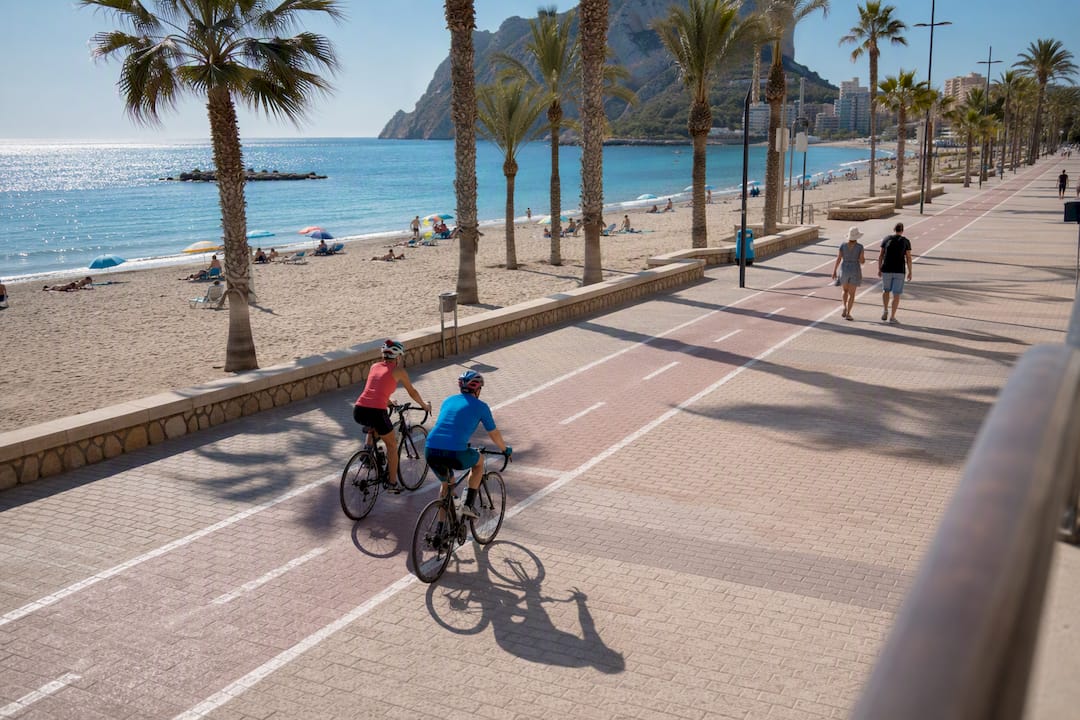
Cycling has grown in popularity, helped by a coastal cycle path linking Calpe to nearby Altea and Benissa, popular with both residents and the road-cycling tourists the region attracts each spring. Local buses connect the town centre to outlying residential areas and neighbouring towns, though frequency drops noticeably outside peak season, and there’s no rail or tram service within Calpe itself.
For most practical purposes, a car remains the most reliable option, particularly for reaching supermarkets on the town’s outskirts, medical appointments, or trips to Alicante or Valencia airports. Taxis are readily available in the centre but cost more for regular use than owning or hiring a vehicle long-term.
Safety and crime rates in Calpe
Calpe has a reputation as one of the safer coastal towns on the Costa Blanca, with the kind of low-level, opportunistic crime, mainly petty theft around busy beach areas and the port during peak summer, that’s common to most popular tourist destinations rather than anything specific to the town itself.
Local policing includes both the national Policía Nacional and the Guardia Civil, alongside a visible local police presence (Policía Local) focused on tourist areas and traffic. Many British residents describe feeling more comfortable walking at night in Calpe than they did in their previous UK town, though that’s an individual perception rather than a statistic worth quoting as fact.
Sensible precautions apply here as anywhere: keep valuables out of sight on the beach, use hotel or apartment safes where available, and register with your embassy’s travel advice service if you’re planning an extended stay before permanent relocation.
Practical amenities: shops, schools and leisure
Calpe covers the essentials without feeling like a resort town built purely for tourists. Two large supermarket chains operate on the town’s outskirts alongside smaller Spanish grocers and a lively daily market in the old quarter, so weekly shopping rarely requires a long drive.
Healthcare access includes a health centre for routine care and a short drive to larger hospitals in Denia or Alicante for anything more serious, worth understanding in detail once you’ve registered for coverage. Leisure options extend well beyond the beach: several padel and tennis clubs, a handful of golf courses within a 20 to 30 minute drive, and diving centres that make the most of the clear water around the Peñón de Ifach.
For retirees particularly, the combination of accessible healthcare, walkable amenities and a genuine choice of leisure activities is what separates Calpe from smaller, quieter coastal towns that look appealing on a summer visit but feel thin the rest of the year.
Employment opportunities and work environment
Most UK nationals moving to Calpe are retirees or remote workers rather than local job-seekers, and that’s a realistic starting assumption. The local economy leans heavily on tourism, hospitality and property services, with seasonal hiring peaks through spring and summer and a noticeable slowdown from November onwards.
Spanish-language fluency significantly widens local job prospects, particularly in retail, hospitality management and administrative roles. English-speaking work does exist, mainly in property sales, tourism marketing and international schools, but it’s a smaller pool than you’d find in a larger Spanish city.
Remote work has changed the picture considerably for UK arrivals. Reliable broadband is standard in most Calpe developments, and a growing number of residents work for UK or international employers while living locally, a pattern that sidesteps the local job market question entirely but still requires clarity on visa and tax residency rules before assuming it’s straightforward.
Who Calpe actually suits
Calpe works best for retirees and remote workers who want an established international community without sacrificing genuine Spanish character. My practical tip: visit in both August and February before deciding, since the town changes personality completely between the two seasons.
How Fiesta Properties helps you move from research to viewing
Fiesta Properties has spent over a decade matching buyers with property across the Costa Blanca, and that local grounding is the real difference between browsing listings online and actually finding a home that fits your budget and your plans. With an inventory exceeding 3,000 properties, including new build, key-ready and resale homes, Fiesta Properties can shortlist options in Calpe and the surrounding coast before you even book your scouting flight, saving you the guesswork of chasing individual listings across multiple agencies.

The team coordinates viewing trips, handles the paperwork that trips up most overseas buyers, and stays involved after completion rather than disappearing once the sale closes. If you’re weighing up a seasonal letting alongside full-time living, Fiesta Properties can also point you towards properties with an established tourist licence already in place.
Start by reviewing the step-by-step buying process Fiesta Properties uses with international clients, then browse current properties for sale across Costa Blanca South to see what your budget realistically buys in and around Calpe today.
Frequently asked questions
Is Calpe full of British expats? Roughly half of Calpe’s population is foreign-born, with British and German residents forming large communities, though the town retains a strong Spanish identity through its festivals, markets and old town.
Is Calpe a good place to live? For retirees and remote workers wanting reliable weather, beach access and an established international network, Calpe rates highly. Families should weigh school commute distances, since most international schools sit outside the town itself.
How does the cost of living in Calpe compare with Benidorm? Calpe and Benidorm sit close on everyday costs, but Calpe generally commands slightly higher property prices thanks to its old town character and the Peñón de Ifach, while Benidorm offers cheaper high-rise apartment stock.
Do I need a car to live in Calpe? Most residents find a car close to essential for supermarkets, medical appointments and airport trips, though the seafront and old town are genuinely walkable day to day.
What’s the process for buying property as a UK national in Calpe? You’ll need an NIE before any purchase can complete, along with a Spanish bank account, and it’s worth reviewing Fiesta Properties’ buying process to understand each step before making an offer.
This article is general information, not a substitute for advice from a qualified lawyer. Consult a qualified legal professional about your own circumstances before acting on anything here.
Check out our properties in Calpe