




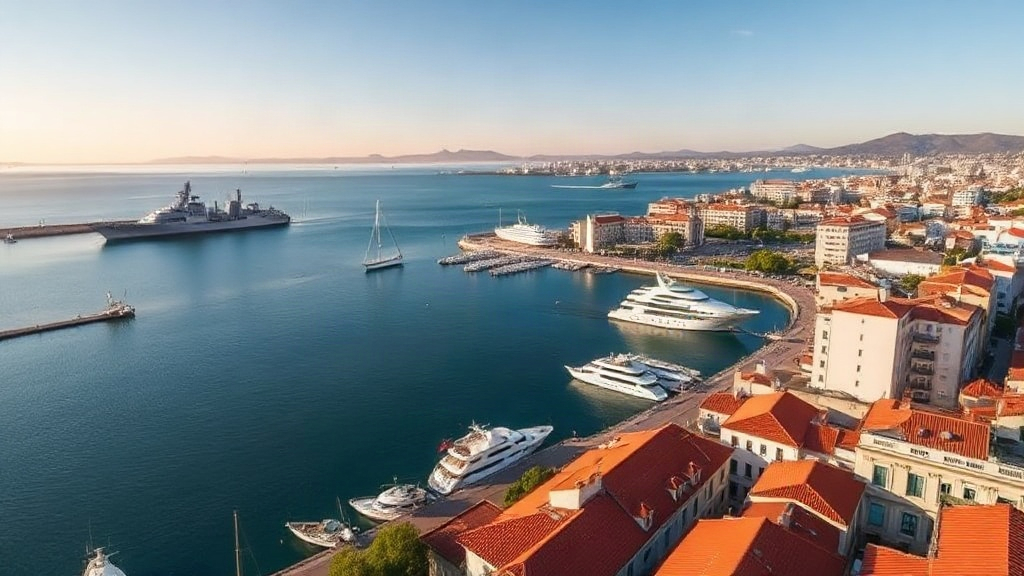
While much of the Spanish property conversation revolves around the Costa Blanca and Costa del Sol, something remarkable is happening further south. Cartagena, the historic port city on the Costa Cálida, is quietly emerging as one of Spain’s most compelling destinations for luxury new builds. This isn’t a story of overdevelopment or rushed construction. It’s about thoughtful architecture meeting genuine Mediterranean lifestyle in a city that has never forgotten its 3,000-year history.
The transformation is worth understanding if you’re serious about finding property with substance rather than just another coastal apartment.
Why Cartagena Now?
Cartagena has always been here, of course. Founded by Carthaginians and later claimed by Romans, it’s a city where you can walk from a second-century Roman theatre to a modernist market in ten minutes. But the property market is different now. Developers are finally recognizing what locals have known for generations: this is a real city with authentic culture, not a resort town that empties after summer.
The luxury new builds appearing across Cartagena reflect this maturity. They’re designed for year-round living, not holiday rentals. You’ll find contemporary villas with views over the naval port, penthouse apartments overlooking the old town’s terracotta roofs, and residential complexes that blend seamlessly with the city’s distinctive architecture.
The Costa Cálida lives up to its name—the warm coast. Cartagena enjoys around 315 days of sunshine annually and a microclimate that makes winter genuinely pleasant. January temperatures regularly reach 17°C. This isn’t just marketing speak; it’s measurable data that affects how you’ll actually live here.
The Character of New Developments
What sets luxury new builds in Cartagena apart is restraint. Developers here aren’t trying to create Dubai on the Mediterranean. The best projects respect the city’s scale and character while offering everything a discerning buyer expects: underground parking, communal pools, security, and finish quality that doesn’t require immediate renovation.
Many new developments cluster around Cartagena’s seafront districts—areas like Cala Cortina and the expanding zones near the yacht marina. These aren’t gated communities disconnected from reality. You can walk to actual restaurants where locals eat, not just tourist traps. The marina district, in particular, has seen intelligent development that connects new residential buildings to the working harbour and historic centre.
Architecture here tends toward clean Mediterranean modernism. White facades, large windows to capture natural light, private terraces designed for outdoor living. Ground-floor properties often include small gardens, while penthouses feature roof terraces with views that range from the harbour to the surrounding hills.
What You’re Actually Buying
Luxury in Cartagena means something specific. Expect under-floor heating throughout, air conditioning with individual room control, fitted kitchens with quality appliances, and bathrooms with walk-in showers and floating vanities. Most developments include at least one parking space and a storage room as standard.
The communal areas matter. Well-designed pools with surrounding gardens, small gymnasiums, and social spaces that residents actually use. The best developments employ permanent maintenance staff and professional management companies. This level of service is becoming standard in Cartagena’s luxury segment, not an optional extra.
Build quality has improved dramatically. Spanish building regulations tightened considerably after the financial crisis, and the developers working in Cartagena now are generally serious operations with track records. That said, understanding the process of buying a new build in Spain remains essential, particularly around payment structures and completion guarantees.
Living in Cartagena vs. Tourist Coasts
This is where Cartagena diverges from much of coastal Spain. It’s a functioning city of 215,000 people with a university, naval base, and commercial port. The economy doesn’t collapse in October. Schools, hospitals, shopping centres, and cultural venues operate year-round because residents need them year-round.
The culinary scene reflects this authenticity. Cartagena’s gastronomy centres on seafood and rice dishes, with a concentration of quality restaurants around the harbour and old town. The weekly market sells produce from the surrounding Campo de Cartagena, one of Spain’s most productive agricultural regions. You can live here without a car if you choose wisely, though most buyers appreciate having one for exploring the wider region.
Cultural life includes a professional theatre, regular concerts in the Roman amphitheatre during summer, and numerous museums. The city celebrates Carthaginians and Romans festival each September—ten days of historical reenactments that draw visitors from across Spain. These aren’t manufactured tourist events; they’re genuine expressions of local identity.
The Practical Side
Alicante airport sits 90 minutes north, Murcia airport 30 minutes west. Both offer year-round connections to major European cities. The high-speed rail line connecting Cartagena to Madrid takes under four hours, making the city genuinely accessible without feeling overrun.
Property prices in Cartagena remain notably lower than equivalent locations on the Costa Blanca. A two-bedroom luxury apartment in a new development might range from €180,000 to €350,000 depending on location and specifications. Detached villas in desirable areas start around €350,000 and extend upward based on size, position, and finish level.
These prices reflect value, not compromise. You’re buying in a market that hasn’t experienced the speculative excess of other coastal areas. Growth has been steady rather than explosive, which typically signals healthier long-term prospects.
The Surrounding Costa Cálida
Cartagena anchors a coastline worth exploring. To the south, the Cabo de Palos peninsula offers dramatic cliffs and some of Spain’s best diving. North toward Mazarrón, you’ll find quieter beaches and a more rural character. La Manga, the thin strip separating the Mediterranean from the Mar Menor lagoon, sits 20 minutes away—useful for its golf courses and water sports, even if you wouldn’t choose to live there.
The Mar Menor itself deserves mention. This vast saltwater lagoon, Europe’s largest, offers warm, shallow waters perfect for kayaking, paddleboarding, and sailing. Families particularly appreciate its gentle conditions. The lagoon faces environmental challenges that regional authorities are addressing, but it remains a remarkable natural feature that adds dimension to life in the area.
Is Cartagena Right for You?
Cartagena suits buyers seeking substance over superficiality. If you want a place that functions as a real home rather than a holiday bolt-hole, where neighbours include Spanish professionals rather than exclusively expatriates, this city delivers. The luxury new builds here offer quality construction and modern amenities while keeping you connected to authentic Mediterranean life.
It won’t suit everyone. If you need an established English-speaking community or expect every shopkeeper to speak your language, look elsewhere. Cartagena is welcoming but unapologetically Spanish. That’s precisely its appeal for many buyers tired of expatriate enclaves that could be anywhere.
The luxury new builds emerging across Cartagena represent an opportunity to buy into a market that hasn’t fully matured but shows every sign of doing so thoughtfully. The city’s combination of history, functionality, and genuine culture creates something increasingly rare on Spanish coasts: a place where the property market serves residents rather than tourists.
For buyers ready to discover what lies beyond the usual suspects, Cartagena’s new developments offer exactly what they promise—luxury living in a city that remembers what Mediterranean life actually means.