





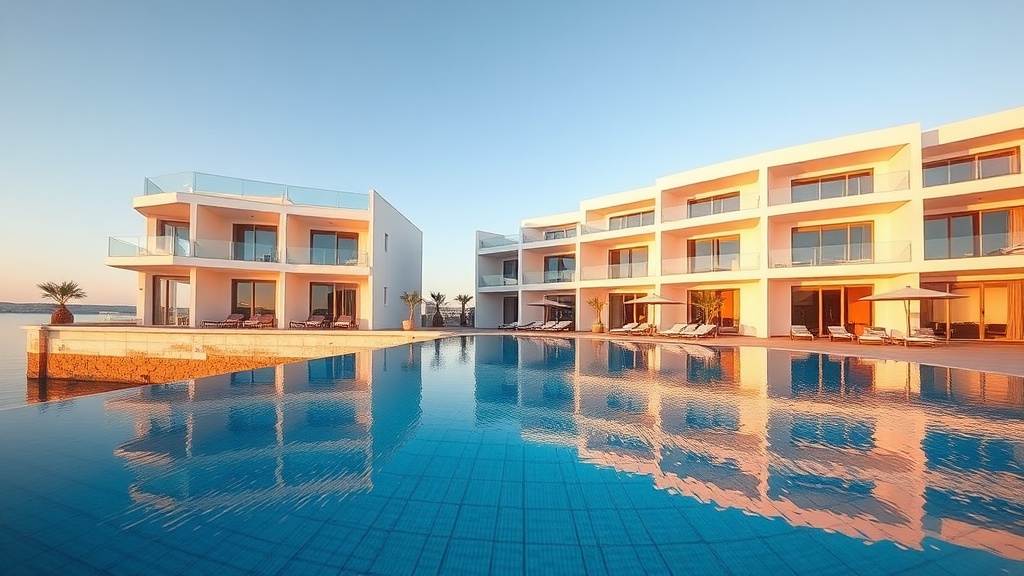
The Mar Menor lagoon has quietly become one of Spain’s most desirable beachfront property markets. With its shallow, warm waters and 170 square kilometres of Europe’s largest saltwater lagoon, this corner of Murcia offers something genuinely different from the Costa Blanca or Costa del Sol. For buyers considering new build beachfront properties in Mar Menor, the combination of modern construction standards, unique natural setting, and year-round climate creates compelling reasons to look seriously at this location.
What Makes Mar Menor Different
The lagoon itself defines the character of this area. Protected from the Mediterranean by La Manga strip, the Mar Menor’s shallow depth means water temperatures can reach 28°C in summer while remaining mild enough for swimming from March through November. This microclimate supports outdoor living far beyond typical seasonal boundaries.
The coastline here differs markedly from rocky Mediterranean shores. Gentle beaches with fine sand slope gradually into calm waters, creating conditions that appeal to families, water sports enthusiasts, and those who simply prefer swimming without waves or currents. Several Blue Flag beaches ring the lagoon, and the absence of strong tides means consistent conditions year-round.
New developments have responded to this setting with architectural approaches that maximise lagoon views, outdoor space, and direct beach access. The construction quality in recent projects reflects updated Spanish building regulations, particularly regarding energy efficiency and coastal resilience.
Property Types and What to Expect
New build beachfront properties in Mar Menor typically fall into three categories. Luxury apartments in low-rise developments offer the most accessible entry point, usually with communal pools, landscaped gardens, and underground parking. These properties range from two to four bedrooms, with penthouses commanding premium prices for their roof terraces and panoramic lagoon views.
Contemporary villas represent the upper end of the market. These properties feature private pools, direct beach access in some cases, and modern designs that emphasise indoor-outdoor flow. Basements are common, providing additional living space, storage, or entertainment areas. Build quality in premium developments includes underfloor heating, aerothermal systems, and home automation as standard.
Semi-detached villas offer middle ground, combining private outdoor space with shared amenities and more competitive pricing than detached properties. Many new developments incorporate this format, creating gated communities with sports facilities, spa areas, and concierge services.
Across all property types, expect floor-to-ceiling windows, large terraces, and open-plan layouts designed to capture lagoon views and natural light. The aesthetic tends toward clean lines and neutral palettes, though customisation options during construction allow buyers to influence finishes and layouts.
Key Locations Around the Lagoon
Los Alcázares anchors the western shore with established infrastructure, year-round restaurants, and a working town atmosphere beyond the tourist season. New developments here benefit from proximity to shops, healthcare facilities, and transport links while maintaining beachfront positions. The town hosts a popular weekly market and has a community feel that appeals to permanent residents.
Santiago de la Ribera, directly north, offers a more relaxed pace with a marina, beach promenade, and family-oriented facilities. New builds here often target buyers seeking quieter surroundings without sacrificing amenities. The area has developed a reputation among sailing and water sports communities.
La Manga strip provides the most dramatic setting, with the Mediterranean on one side and the lagoon on the other. Properties here command premium prices but offer unique dual-aspect locations. New developments are limited by space constraints, making available units particularly sought after.
Torre Pacheco, slightly inland, connects to the coast within ten minutes but offers larger plot sizes and more competitive pricing. Some buyers prefer this option for villa purchases, accepting the short drive to beach access in exchange for more generous gardens and lower entry costs.
Understanding the Purchase Process
When buying a new build in Spain, the process differs from purchasing resale properties. Developers typically require reservation deposits of €10,000–€20,000, followed by a private purchase contract with a 20–30% deposit within weeks. The remaining balance becomes due upon completion, with stage payments possible for properties still under construction.
Bank guarantees should protect deposits on off-plan purchases until completion. Verify these guarantees exist and understand the terms. Spanish law requires developers to provide them, but confirming documentation protects your interests.
Completion timelines vary. Properties nearing completion might complete within 3–6 months. Developments in early construction phases may require 12–18 months. Factor these timelines into your planning, particularly if coordinating property sales in other countries or managing rental income expectations.
Legal representation remains essential. English-speaking lawyers familiar with new build transactions can review contracts, verify planning permissions, check developer credentials, and ensure proper registration of the property. Their fees typically range from €1,500–€2,500 but provide crucial protection., BUT Fiesta Properties offers free legal fees on all new build properties
Costs Beyond the Purchase Price
Budget approximately 13% of the purchase price for taxes and fees. This includes transfer tax (IVA at 10% for new builds), notary fees, land registry costs,.. These expenses apply regardless of financing arrangements.
Annual costs include property tax (IBI), which varies by municipality and property value but typically ranges from €400–€1,200 for beachfront properties. Community fees in apartment developments or gated villa complexes run €800–€3,000 annually depending on facilities and services provided. Properties with extensive communal amenities naturally incur higher fees.
Utility connections require one-time setup fees, then ongoing bills. Water consumption stays relatively low, but electricity costs rise significantly during summer if running air conditioning constantly. Solar panels, increasingly common in new builds, can offset these expenses substantially.
If planning rental income, factor in management fees (typically 10–15% of rental income), property maintenance, and periods of vacancy. Beachfront properties in Mar Menor achieve good occupancy rates during peak season but quieter periods outside July and August should inform financial projections.
Investment Perspective
Mar Menor’s property market has shown resilience through economic cycles, partly due to limited beachfront availability and sustained demand from Spanish domestic buyers alongside international purchasers. The lagoon’s unique characteristics create demand that doesn’t simply track broader Costa trends.
Rental yields for beachfront properties typically achieve 4–6% gross returns, with variation based on property type, specific location, and management effectiveness. Peak season rates can reach €2,000–€4,000 weekly for well-positioned villas, while shoulder seasons require more competitive pricing to maintain occupancy.
Capital appreciation has historically trailed rental returns, with steady rather than dramatic growth. The market attracts buyers prioritising lifestyle and usage over pure investment returns, which tends to stabilise prices but limit speculative gains.
The completion of infrastructure projects, including road improvements and the ongoing development of Corvera airport, continues to enhance accessibility. These factors support long-term value, though short-term fluctuations remain possible.
Practical Considerations
Murcia’s Corvera airport provides the closest access, roughly 30 minutes from most Mar Menor locations. Alicante airport, serving more international routes, sits approximately 60 minutes north. This dual-airport access provides flexibility for both personal use and rental marketing.
Healthcare facilities in the area include public hospitals in Los Alcázares and Cartagena, plus numerous private clinics. English-speaking doctors practice throughout the region, reflecting the established international community.
Year-round living proves entirely practical. Supermarkets, restaurants, and services operate beyond tourist seasons, particularly in Los Alcázares and Santiago de la Ribera. The permanent resident population supports infrastructure that many purely seasonal destinations lack.
For those exploring similar opportunities in the broader region, understanding the general buying process helps contextualise Mar Menor-specific considerations within Spain’s property market framework.
Making Your Decision
New build beachfront properties in Mar Menor suit buyers who value the lagoon’s specific characteristics: calm waters, consistent climate, and a more Spanish atmosphere than some international resort areas. The modern construction standards, energy efficiency, and warranty protections that come with new builds add practical advantages to the lifestyle appeal.
Visit multiple developments, compare specifications carefully, and resist pressure to commit before understanding exactly what you’re buying. Completion standards vary between developers, so viewing completed projects from the same builder provides valuable insight into final quality.
The market moves, but genuine beachfront opportunities remain limited by geography. Serious buyers benefit from clear criteria about property type, budget, and intended use, then acting decisively when suitable properties become available. This approach balances patience with the reality that prime positions attract competition.