





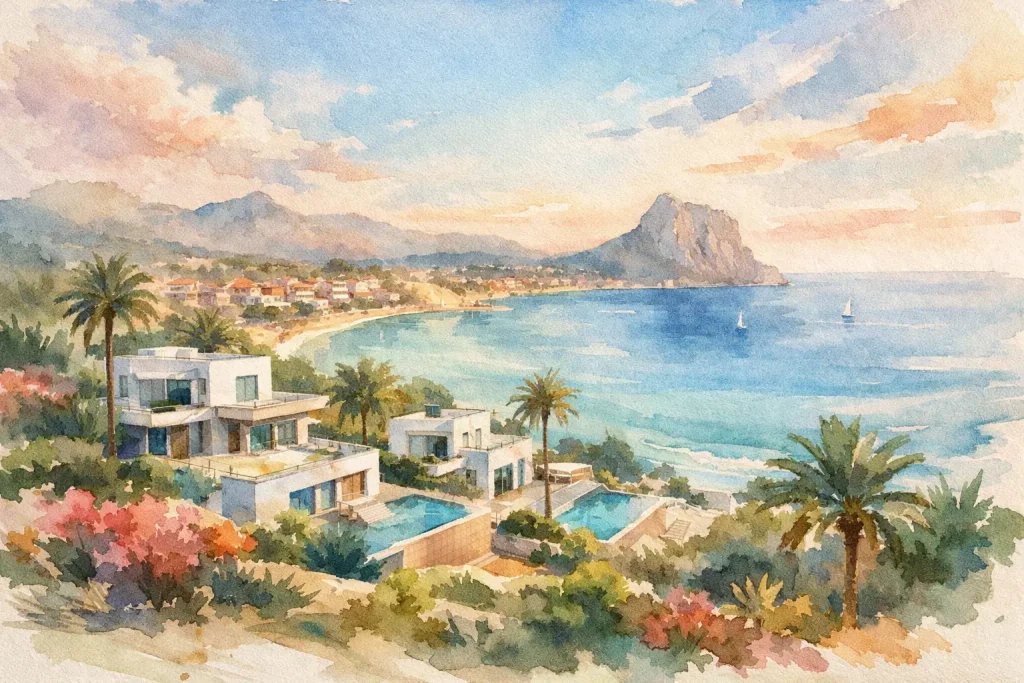
The difference between a good purchase and an expensive mistake often comes down to one question – are you buying the right property in the right area, at the right stage of the build? That is exactly why Costa Blanca new developments continue to attract such strong interest from overseas buyers. They offer modern layouts, energy-efficient construction and low-maintenance living, but the best opportunities are rarely just about the brochure or the show home.
For many buyers, the appeal is obvious. You get contemporary design, updated building standards, clean finishes and, in many cases, communal facilities that would be difficult to find in older stock. For retirees, that can mean easier day-to-day living. For holiday-home buyers, it can mean lock-up-and-leave simplicity. For investors, it can mean stronger demand from tenants and buyers looking for modern homes in established coastal locations.
What matters is knowing how to compare developments properly. Two projects can look similar on paper and perform very differently in practice depending on location, orientation, build specification, community charges and long-term resale demand.
Why Costa Blanca new developments remain in demand
The Costa Blanca market has broad appeal because it offers variety. Buyers can choose between lively coastal towns, golf resorts, quieter residential areas and inland locations with more space. New developments are spread across Costa Blanca North and South, and each zone attracts a slightly different buyer profile.
In the north, demand often centres on scenery, established international communities and premium settings close to coves, marinas and hillside residential areas. In the south, buyers are often drawn by value, beach access, golf, and a wider range of price points. Neither is automatically better. It depends on whether your priority is lifestyle, rental return, year-round living or long-term capital growth.
New build demand is also being supported by practical factors. Buyers increasingly want energy efficiency, better insulation, modern air conditioning systems, lifts, private parking and usable outdoor space. A large terrace, rooftop solarium or compact private garden can make a major difference to how a property feels in real life, particularly for those planning frequent stays or permanent relocation.
What to look for in Costa Blanca new developments
A new development should be judged on more than the finish package. The first point to assess is micro-location. Being five minutes from the beach sounds attractive, but the real question is what surrounds the property. Can you walk to services? Is the area active year-round or mostly seasonal? How easy is airport access? If you plan to let the property, proximity to restaurants, golf, marinas or town centres may matter more than a sea glimpse from the top floor.
Build quality is the next major factor. Good developers are usually consistent in specification, delivery and after-sales response. Ask what is included as standard rather than assuming the show property reflects the basic package. White goods, underfloor heating, shower screens, lighting, kitchen upgrades and pool features can vary considerably from one scheme to another.
Then there is orientation. South-facing terraces tend to be popular with British buyers because they maximise winter sun, but that does not automatically make every south-facing unit the best option. In peak summer, some buyers prefer morning sun and afternoon shade. A corner unit with more privacy may be more valuable to you than a larger terrace that overlooks the communal pathway.
Off-plan or key-ready?
This is one of the biggest decisions buyers face.
Off-plan property can offer better entry pricing and a wider choice of units. If you reserve early, you may secure a stronger position within the development, whether that means better views, better orientation or a more private plot. There is also the possibility of price growth during the construction period if the scheme sells well and the local market remains active.
The trade-off is time and uncertainty. Completion dates can shift. Marketing images do not always tell the full story. You need confidence in the developer, the legal process and the payment structure.
Key-ready homes remove much of that uncertainty. You can inspect the exact property, understand the surrounding environment and move forward more quickly. This suits buyers who want immediate use, faster rental potential or a simpler buying decision. The downside is that the best-positioned units may already be sold, and pricing can be firmer once a development is complete or close to completion.
For some buyers, the answer is straightforward. If you need a home for the next season, key-ready makes sense. If your priority is securing value at an earlier stage, off-plan may be the better route.
Which areas attract the most interest?
Buyer demand is spread across multiple parts of the coastline, but some themes are consistent. Coastal towns with strong infrastructure remain popular because they combine lifestyle and practicality. Buyers want beaches, restaurants, medical services, shopping and airport access without feeling cut off outside the summer months.
Golf locations also continue to perform well, especially for those seeking cleaner planning, open views and well-maintained surroundings. These areas often appeal to buyers who want a quieter base while staying within easy reach of the coast.
For premium budgets, elevated plots, sea-view schemes and architect-designed villa communities tend to attract attention quickly. For more value-focused purchasers, modern flats, bungalows and townhouses in well-connected southern areas can offer a strong balance between price and usable lifestyle.
This is where local guidance matters. An attractive launch price in the wrong pocket of the market is not necessarily good value. Equally, a slightly higher price in a proven location may make far more sense over time.
Buying for lifestyle, investment or relocation
The right development changes depending on your objective.
If you are buying for holidays, convenience usually leads the decision. You will probably want easy airport routes, low-maintenance outdoor space and a property that can be locked up without concern. Communal pools, secure gated access and walkability tend to rank highly.
If you are buying as an investment, you need to be realistic about numbers and seasonality. Some developments perform strongly for short stays because they are near beaches, golf or town centres. Others are more suited to longer-term occupancy. Rental appeal is influenced by location, amenities, property type and local regulation, not just by whether the home is brand new.
If you are relocating, daily liveability matters more than brochure appeal. Storage, winter sun, lift access, parking, room sizes and nearby services become much more important when you are using the property full time. Many buyers initially focus on view and terrace size, then realise that access to supermarkets, healthcare and year-round community matters just as much.
The process behind the purchase
Buying in Spain should feel structured, not rushed. Once you have identified a suitable development, the usual path involves reserving the property, reviewing legal documentation, confirming stage payments where relevant and checking what is included in the price. A clear understanding of completion costs is essential from the beginning.
This is where experienced support adds real value. Buyers need more than property listings. They need practical help with the purchase process, mortgage options where required, and the administrative side of moving or setting up a second home. That is especially true when buying from abroad and trying to compare multiple developments across different areas at once.
A good agency will also help you filter choices honestly. Not every new development is a fit for every buyer. A smaller scheme in a stronger position may serve you better than a larger resort-style project with more facilities but weaker year-round demand.
Timing the market without overthinking it
Many buyers spend too long waiting for the perfect moment. In reality, timing matters less than buying the right property at the right level for your budget and plans. The strongest units in well-received developments often sell first, not last.
That does not mean rushing. It means being prepared. Know your budget, understand your goals and compare areas on real criteria rather than emotion alone. If two developments are close in price, ask which one gives you the better long-term fit, not just the better first impression.
Costa Blanca new developments continue to appeal because they meet what modern international buyers actually want – quality, efficiency, lifestyle and ease of ownership in one of Spain’s most established coastal markets. If you approach the search with clear priorities and local guidance, you are far more likely to buy well and enjoy the result for years to come.
The smartest move is rarely chasing the newest launch. It is choosing the home that still looks like the right decision after the excitement of the first viewing has passed.