





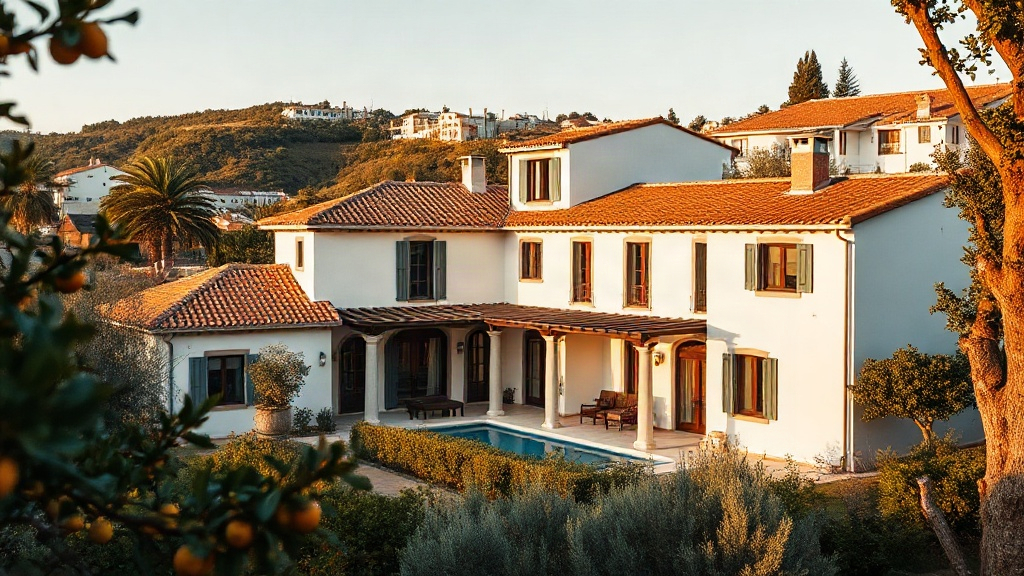
Rojales stands apart from the typical coastal developments that line the Costa Blanca. While nearby towns race to accommodate tourism, this charming inland municipality has maintained its authentic Spanish character whilst embracing carefully planned modern development. The result is a property market where new build homes capture both the architectural heritage of the region and the luxury specifications that international buyers expect.
Why Rojales Appeals to Discerning Buyers
Located just 10 minutes from the beaches of Guardamar del Segura, Rojales occupies a privileged position. You’re close enough to the coast for beach days, yet far enough inland to enjoy lower property prices and a more authentic Spanish lifestyle. The town sits on the banks of the River Segura, surrounded by citrus groves that have defined the local economy for generations.
What makes Rojales particularly attractive is its resistance to over-development. The town council has maintained strict planning controls, ensuring that new construction complements rather than overwhelms the existing character. You’ll find traditional whitewashed buildings, cobbled streets in the old town, and the famous cave houses carved into the hillside alongside contemporary developments.
The expatriate community here is well-established but not dominant. English, German, and Scandinavian residents integrate with the local Spanish population, creating a genuinely international atmosphere without losing the town’s identity. Local markets still operate in Spanish, tapas bars remain family-run, and fiestas follow centuries-old traditions.
What Modern Developments Offer
New build homes in Rojales typically fall into two categories: detached villas on the outskirts and apartment complexes closer to the town centre or golf courses. The quality of construction has improved dramatically over the past decade, with developers now targeting buyers who demand high specifications rather than budget-conscious holidaymakers.
Contemporary villas often incorporate traditional elements like terracotta roof tiles, rendered facades, and covered terraces that echo the region’s architectural heritage. Inside, you’ll find open-plan layouts, floor-to-ceiling windows, and premium finishes. Most include private pools, landscaped gardens, and parking for multiple vehicles. Plot sizes vary considerably, from compact 200-square-metre lots to expansive 600-square-metre parcels in more rural settings.
Apartment developments tend to cluster around Ciudad Quesada and the golf courses. These typically offer communal pools, landscaped gardens, and underground parking. Ground-floor units often include private garden areas, while penthouses feature expansive solariums with mountain or countryside views. Build quality in the better developments matches anything you’d find in northern European new builds, with proper insulation, quality joinery, and attention to detail that wasn’t always evident in earlier Spanish construction.
The Appeal of Off-Plan Purchasing
Many buyers choose to purchase new build homes before construction completes, allowing them to customise finishes and sometimes even floor plans. This approach offers several advantages beyond personalisation. Payment structures typically split the purchase price across several stages, reducing the initial capital requirement. You’re also buying a property with modern building standards, including proper damp-proofing, insulation, and energy-efficient systems that older properties often lack.
The process of buying new builds in Spain does require careful navigation, particularly around developer solvency, bank guarantees, and construction timelines. Working with experienced professionals who understand both the legal framework and the local market makes a substantial difference to the outcome.
Location Considerations Within Rojales
The municipality covers a large area, and your experience of living here varies considerably depending on which neighbourhood you choose. The old town itself offers proximity to shops, restaurants, and the weekly market, but new construction opportunities are limited. Most contemporary development occurs in Ciudad Quesada, a planned urbanisation that’s technically part of Rojales but feels quite distinct.
Ciudad Quesada attracts buyers seeking a more international environment with English-speaking services, golf course access, and a strong expatriate community. The urbanisation has its own commercial centre, medical facilities, and social clubs. Properties here tend to command premium prices due to the established infrastructure and amenities.
Alternatively, developments along the roads towards Benijófar and Formentera del Segura offer more space and rural views whilst maintaining easy access to the town. These locations suit buyers prioritising privacy and outdoor space over walking distance to amenities. The trade-off is that you’ll need a car for daily life, though most buyers in this market already plan on vehicle ownership.
Investment Perspective and Rental Potential
Rojales doesn’t attract the same volume of short-term holiday rentals as beachfront locations, which means less competition if you’re considering rental income but also potentially lower yields. The rental market here tends towards longer lets, attracting retirees spending extended winters and remote workers seeking affordable Mediterranean bases.
Property values have shown steady appreciation over the past five years, recovering well from the earlier market correction. The limited supply of new build homes compared to coastal areas has helped maintain price stability. You’re unlikely to see the rapid capital growth of emerging areas, but equally less exposed to market volatility.
The purchase process involves several stages that benefit from professional guidance, particularly for buyers unfamiliar with Spanish property law. Budget for legal fees, notary costs, and the property transfer tax, which together add approximately 10-12% to the purchase price for resale properties. New builds benefit from lower transfer taxes but include VAT instead, with similar overall additional costs.
Practical Living in Rojales
Daily life here revolves around the town rather than tourist facilities. The weekly market brings fresh produce, local cheese, and household goods at prices that reflect the Spanish rather than expatriate economy. Medical facilities include a health centre with English-speaking staff, though serious cases require travel to Torrevieja or Alicante hospitals.
Alicante airport sits 40 minutes north, with Murcia airport a similar distance south. Both offer extensive European connections, making weekend visits from family feasible and keeping you connected to home countries. The AP-7 motorway provides quick access to Valencia, Murcia, and Andalucía for those who enjoy exploring wider Spain.
The climate follows typical Costa Blanca patterns: hot, dry summers averaging 30°C and mild winters rarely dropping below 10°C. Rainfall concentrates in autumn and spring, with long dry spells between. This weather suits outdoor living most of the year, making covered terraces and pools worthwhile investments rather than occasional luxuries.
Making Your Decision
New build homes in Rojales represent a middle path between purely coastal living and rural isolation. You’re buying into a town with genuine Spanish character whilst accessing modern construction standards and international amenities. The property stock offers good value compared to beachfront alternatives, and the established community provides support networks for new arrivals.
The key is matching your property choice to your lifestyle priorities. If you value authentic Spanish culture, year-round community, and proximity to both coast and countryside, Rojales merits serious consideration. The town won’t suit everyone—those seeking vibrant nightlife or direct beach access should look elsewhere. But for buyers wanting a genuine Spanish base with modern comforts and reasonable proximity to coastal attractions, it’s hard to find better options on the Costa Blanca.