





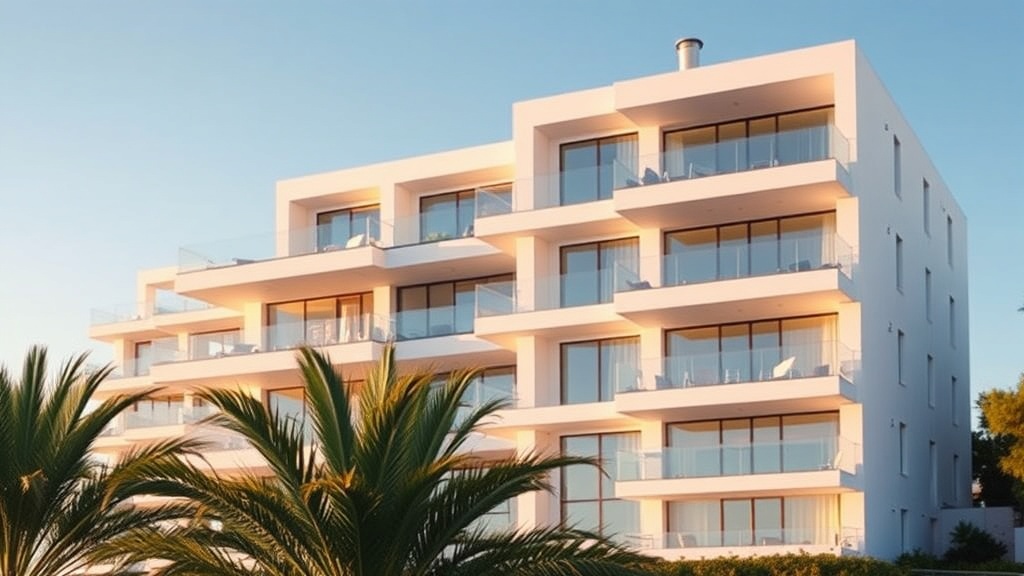
Alicante has quietly positioned itself as one of Spain’s most compelling investment destinations. While other coastal cities attract headlines, this Costa Blanca capital delivers something more valuable: consistent fundamentals. For investors eyeing luxury new build investment Alicante offers a rare combination of infrastructure maturity, lifestyle appeal, and market stability that’s increasingly difficult to find elsewhere on the Mediterranean.
Infrastructure That Actually Matters
Alicante-Elche Airport handles over 15 million passengers annually, with direct connections to 80+ European cities. That’s not marketing speak—it’s the difference between a property that rents consistently and one that sits empty. The airport sits just 15 minutes from central Alicante, making arrival seamless for international buyers and renters alike.
The city’s transport links extend beyond aviation. High-speed rail connects Alicante to Madrid in under three hours, while the upgraded A7 motorway provides easy access to Valencia, Murcia, and the wider Costa Blanca. These aren’t future promises; they’re operational infrastructure supporting genuine demand.
For luxury properties, connectivity translates directly to rental performance. Your investment property becomes viable for weekend breaks, not just extended stays. That flexibility expands your tenant pool considerably.
A Market Built on Real Demand
Alicante’s property market operates differently from speculative hotspots. The city attracts permanent residents—Northern European professionals, retirees with purchasing power, and Spanish nationals relocating for lifestyle. This creates baseline demand that weathers economic shifts better than purely tourist-dependent markets.
The rental market reflects this stability. Long-term lets remain strong year-round, while seasonal holiday rentals capitalize on 300+ days of annual sunshine. Different areas of Alicante cater to distinct tenant profiles, allowing investors to target specific segments with precision.
New builds in particular benefit from Spain’s updated energy efficiency regulations. Properties constructed after 2019 must meet stringent thermal and acoustic standards—requirements that translate to lower running costs and higher tenant satisfaction. When you’re competing for quality renters, these details matter.
The New Build Advantage in Numbers
New construction in Alicante comes with financial benefits that resale properties simply can’t match. VAT at 10% rather than the typical transfer tax of 10% plus stamp duty saves thousands on completion. Staged payments during construction preserve capital flexibility—you’re not tying up full equity upfront.
Warranty protection extends ten years on structural elements under Spanish law, reducing maintenance risk during your crucial initial ownership period. This protection becomes particularly valuable for non-resident investors who can’t personally oversee repairs.
Contemporary new builds in Alicante’s premium zones typically include underground parking, communal pools, and smart home systems as standard. These aren’t luxury additions—they’re expected features for the tenant demographic willing to pay premium rates. Properties without them struggle to compete.
Location Specifics Worth Knowing
Alicante city proper offers urbanity that many Costa Blanca locations can’t replicate. The Explanada promenade, Santa Bárbara Castle, and a genuine year-round cultural calendar create appeal beyond beach access. For investors, this translates to demand from tenants who prioritize city life over pure resort living.
San Juan beach, north of the city center, has seen concentrated luxury new build development. Properties here command strong rental rates due to beach proximity combined with city services. The area attracts families and professionals—stable, long-term tenants.
Playa de Albufereta offers similar appeal on a smaller scale, with new developments focused on boutique projects rather than large complexes. The more intimate setting attracts buyers seeking exclusivity without isolation.
Understanding the process of buying new build homes in Spain becomes essential when evaluating these emerging areas, as each development phase carries different payment structures and completion timelines.
Rental Yield Reality Check
Gross rental yields in Alicante’s premium segments typically range from 4% to 6% for long-term lets. Holiday rentals can push higher, but require more active management. These figures assume professional property management and realistic pricing—not aspirational Airbnb calculations.
The key advantage lies in occupancy rates rather than nightly rates. Alicante’s balanced market means consistent bookings at moderate prices outperform spectacular rates during peak weeks followed by empty months. For investors seeking passive income rather than active hospitality businesses, this stability proves more valuable than headline yields.
Capital appreciation has averaged 3-5% annually over the past five years in established areas, with new development zones showing stronger growth as infrastructure matures. These aren’t explosive returns, but they’re sustainable—the kind that compounds effectively over a proper investment horizon.
Tax Treatment and Ownership Structure
Spain’s tax regime for non-resident property owners has stabilized after years of changes. Rental income faces taxation at 19% for EU residents, 24% for others, with deductions available for maintenance, management fees, and mortgage interest. Non-resident owners pay annual wealth tax on Spanish assets exceeding €700,000.
These aren’t prohibitive rates, but they require proper accounting. Professional fiscal representation isn’t optional for serious investors—it’s the difference between optimized returns and unnecessary leakage.
Many investors establish Spanish SL companies to hold multiple properties, which can offer tax efficiencies at scale. This approach makes more sense for portfolios exceeding three properties or when planning significant renovation activity.
Market Maturity vs. Market Saturation
Alicante has largely avoided the oversupply issues affecting some Costa del Sol locations. Planning regulations have become stricter, limiting beachfront development and enforcing green space requirements. This constraint on supply supports values, though it also means fewer investment opportunities in prime locations.
The city’s economic base extends beyond tourism. The University of Alicante enrolls 25,000+ students, technology companies have established regional offices, and medical tourism generates year-round visitors. This economic diversity insulates the property market from single-sector downturns.
For luxury new build investment, Alicante presents lower volatility than emerging markets, with correspondingly modest but reliable returns. You’re trading explosive growth potential for downside protection—a calculation that suits capital preservation strategies.
Due Diligence That Actually Protects You
New build purchases in Spain require specific legal checks beyond typical resale due diligence. Verifying the developer’s bank guarantee, confirming all construction licenses are properly filed, and ensuring the development has necessary utility connections all become critical.
The process matters because your legal recourse depends on it. Properties purchased properly through Spanish legal channels come with protections. Those bought through shortcuts often don’t. This isn’t theoretical—incomplete developments with inadequate guarantees have left buyers exposed during developer insolvencies.
Working with legal representation familiar with new build transactions specifically, rather than general property law, makes a material difference to outcome security.
Making the Investment Decision
Alicante works for investors who value stability over speculation, who understand that 5% annual returns with low volatility often outperform 12% returns that disappear during corrections. The market has matured past its high-growth phase, but maturity brings predictability.
The city’s lifestyle credentials support genuine rental demand. Its infrastructure handles international access without seasonal bottlenecks. Its economy operates year-round, not just summer months. These fundamentals create an investment environment where careful property selection delivers consistent results.
For those building European property portfolios, Alicante offers geographic diversification from overheated markets while maintaining the quality standards and legal frameworks that make cross-border investment manageable. It’s not the flashiest opportunity on the Mediterranean, but it might be one of the most sensible.