






IBI (Impuesto sobre Bienes Inmuebles) is Spain’s annual municipal property tax, charged on a property’s official cadastral value rather than its market price. Whoever is registered as the owner on 1 January is legally liable for the full year’s bill, and this rule applies equally to residents and non‑residents.
Three things to do now:
- Locate your recibo (bill) or check your entry at the Sede Electrónica del Catastro to confirm your cadastral value.
- Set up domiciliación bancaria (direct debit) with a Spanish bank account so payment never depends on post reaching you abroad.
- Check whether Modelo 210, the separate national non‑resident tax, also applies to you. It is not the same bill as IBI.
Municipal rates typically sit between 0.4% and 1.1% of cadastral value, meaning two similar homes in different towns can carry very different annual bills.
Key Takeaways
IBI liability falls on whoever owns the property on 1 January, and non‑residents avoid most problems by checking the Catastro value and setting up direct debit immediately after purchase.
| Point | Details |
|---|---|
| Owner on 1 January pays | The full year’s IBI is owed by whoever is the registered owner on that date, regardless of a later sale. |
| Bill depends on cadastral value | Municipal rates typically run 0.4% to 1.1% of the valor catastral, not the market price. |
| Modelo 210 is separate | IBI goes to the town hall; Modelo 210 is a distinct national filing with the Agencia Tributaria. |
| No single deadline | Payment windows vary by municipality, often running between April and November. |
| Direct debit prevents missed bills | Domiciliación with a Spanish bank account is the most reliable safeguard against surcharges and enforcement. |
If you are weighing up a purchase and want the tax side handled properly from the start, Fiesta Properties’ buying process walks through pre‑purchase checks alongside the wider steps to completion, and its current Costa Blanca listings are a reasonable starting point if you are still deciding where to buy.
Table of Contents
- What IBI tax in Spain actually covers and why it matters
- How IBI is calculated: cadastral value, municipal rate and worked examples
- Who pays IBI, and how it differs from the non‑resident tax
- When and how to pay: windows, portals and direct debit
- What happens if you miss a payment, and how to challenge an incorrect bill
- A practical checklist before you buy and after you own
- The gap between IBI advice and what expats actually need
- Frequently asked questions
- Sources
What IBI tax in Spain actually covers and why it matters
IBI funds local services: rubbish collection, street lighting, road maintenance, parks. Town halls set their own rate within a national band, which is why the same style of villa can cost noticeably more or less in tax depending on which municipality it sits in.
The bill is based on valor catastral, an administrative figure the Catastro assigns to each property, not what it would fetch on the open market. This gap surprises many new owners: a property worth €300,000 might carry a cadastral value closer to €90,000 to €150,000, and IBI is calculated on that lower figure.
Buyers, sellers and their lawyers pay close attention to IBI status because:
- Unpaid IBI can attach to the property and complicate a sale.
- The tax reduces net rental yield on investment properties, so it belongs in any yield calculation.
- Completion paperwork routinely requires proof the bill is up to date.
How IBI is calculated: cadastral value, municipal rate and worked examples
The formula is simple: valor catastral multiplied by the tipo impositivo (municipal rate). Two variables decide your bill, and only one of them is within your control to check.
- Find your valor catastral. This appears on your existing recibo or can be verified directly at the Sede Electrónica del Catastro, which also lets you flag errors in built area or classification.
- Find your municipal rate. Most town halls set a tipo impositivo somewhere between 0.4% and 1.1%, published on the local ayuntamiento website or collection agency portal.
- Multiply the two. A cadastral value of €80,000 at a 0.6% rate produces €480 a year. The same value at 1% produces €800.
Typical bills across Spain range roughly from €200 to €1,500 depending on property type and location. Many municipalities also bill a separate rubbish collection tax (tasa de basura) alongside IBI, so your total local tax bill is usually higher than the IBI figure alone. Worth noting: when a town carries out a ponencia de valores (a cadastral revaluation), properties can shift into a higher band even if nothing has been sold or renovated, so it pays to check whether your municipality has recently updated its valuations.
Who pays IBI, and how it differs from the non‑resident tax
The rule is fixed by law: the person registered as owner on 1 January owes the whole year’s IBI, even if they sell the property in February. Buyers and sellers often agree privately to split that year’s bill pro rata at completion, but that arrangement has no bearing on who the town hall will chase if it goes unpaid. It must be written into the sale contract and settled at the notary to avoid disputes later.
Non‑residents are liable for IBI in exactly the same way as residents. The confusion usually arrives elsewhere: IBI is a municipal charge, while Modelo 210 is a separate national tax on imputed income from property ownership, filed annually with the Agencia Tributaria. They are unrelated bills from different authorities.
- IBI: paid to the town hall or its collection agency, based on cadastral value.
- Modelo 210: filed with the Agencia Tributaria, based on imputed rental value, with different rules for EU/EEA and non‑EU owners.
Both can apply to the same property in the same year, and missing either creates separate problems.
When and how to pay: windows, portals and direct debit
There is no single national deadline for IBI. Each municipality sets its own voluntary payment period, and many run this window between April and November, collected either directly by the town hall or through a provincial agency such as SUMA in Alicante or the Patronato de Recaudación in Málaga.
- Check your municipality’s or collection agency’s website for the current year’s payment dates.
- Pay online by card through the town hall or agency portal, by bank transfer, or in person at a collaborating bank using your recibo reference number.
- Set up domiciliación bancaria so the amount is taken automatically each year. Some councils apply a small discount for owners who use direct debit.
If you cannot locate a paper bill, do not assume no news is good news. Contact the relevant collection agency directly with your cadastral reference number, which you can retrieve from the Catastro website.
Pro Tip: Domiciliation with a Spanish bank account is the single most reliable fix for missed IBI bills among non‑residents, since it removes any dependence on post reaching an overseas address.
What happens if you miss a payment, and how to challenge an incorrect bill
Missing the voluntary payment window triggers an automatic surcharge, and the numbers escalate quickly. Late surcharges commonly begin at a low single-digit percentage and can escalate to about one-fifth of the unpaid amount, plus accrued interest… Unresolved debt can lead to bank account embargo or, in serious cases, a forced auction of the property.
Non‑resident owners frequently discover a debt only when a bank account is frozen or a sale is blocked at the notary, precisely because postal bills never reached them abroad.
If a bill looks wrong, the fix is usually procedural rather than dramatic:
- Confirm the cadastral entry at the Sede Electrónica del Catastro, since many disputed bills trace back to an outdated address or an incorrect built area.
- Raise a formal correction request with Catastro if the underlying data is wrong.
- Contact the municipal collection agency to query the rate applied or dispute a surcharge, ideally within the appeal window stated on the notice itself.
A practical checklist before you buy and after you own
Before completion, ask your lawyer to obtain the seller’s most recent recibo and written confirmation that IBI is fully paid. Skipping this step risks inheriting arrears the previous owner never settled. Cross‑check the cadastral value and built area shown at the Catastro against the property description in the contract.
- Pre‑purchase: request the latest recibo, instruct your lawyer to confirm no outstanding IBI, and check the Catastro entry matches the property being sold.
- At completion: agree a written pro rata split of that year’s IBI between buyer and seller, and update the property’s registration with the town hall promptly.
- Ongoing ownership: register your contact details (ideally an email address) with the municipality, set up domiciliation, keep copies of every recibo, and add a calendar reminder for the payment window each year.
Pro Tip: If you’re buying a resale property, request the last two years of recibos, not just the most recent one. It helps confirm there’s no hidden arrears trailing behind the sale.
How Fiesta Properties supports buyers through the tax and paperwork side of a purchase
Fiesta Properties has worked across Costa Blanca since 2010, with over 3,000 properties in its network, including new build, key‑ready and second‑hand homes. Its team routinely coordinates with local lawyers on pre‑purchase checks, including confirming IBI status and helping buyers register correctly with the town hall after completion.
Ask Fiesta Properties for support when you need:
- A pre‑purchase check on outstanding IBI or cadastral discrepancies.
- Help updating municipal registration after buying.
- Guidance on setting up domiciliation as a non‑resident.
The gap between IBI advice and what expats actually need
Most guides to IBI read like tax theory. What non‑resident owners actually need is narrower: will a missed bill catch them by surprise, and what stops that happening. The honest answer, based on how these bills actually get missed, is almost never the tax rate itself. It is the postal system.
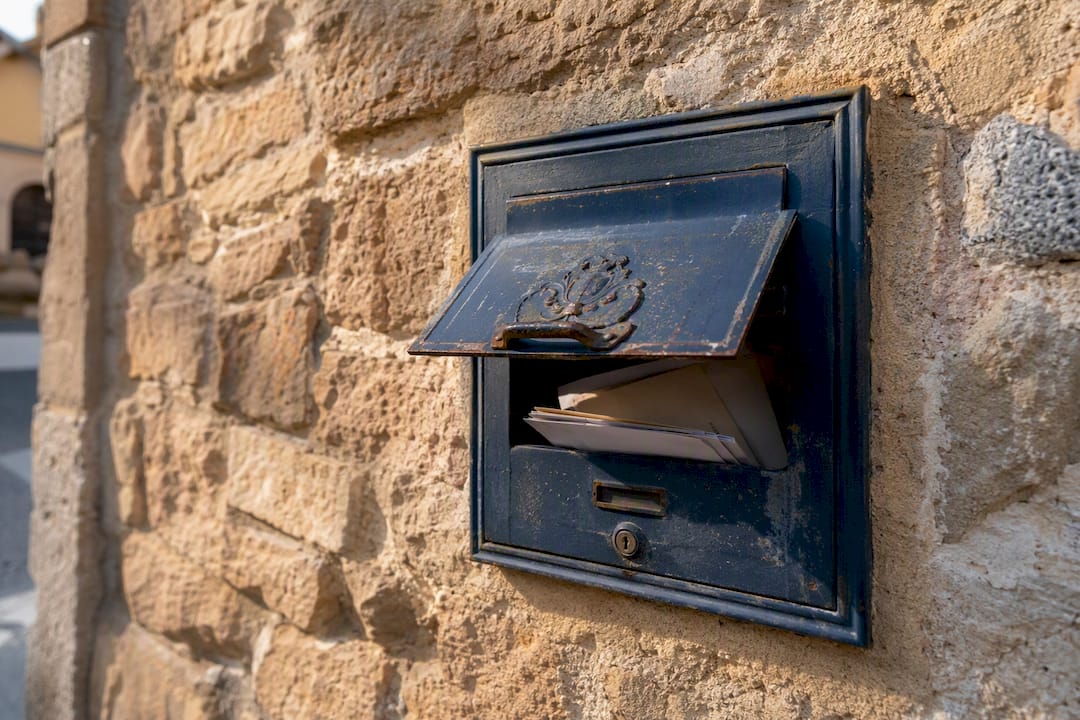
Conventional advice focuses heavily on the calculation, cadastral value times municipal rate, as if the arithmetic were the risk. It rarely is. The real failure point is a bill sent to an address the owner left five years ago, discovered only when a bank account gets frozen or a sale stalls at the notary. Domiciliation solves this at source, yet it is often mentioned as an afterthought rather than the first action a new owner should take.
The other underrated risk sits at completion. Buyers fixate on the purchase price and forget that IBI liability is tied to a legal date, not a sale date. A written pro rata agreement, confirmed by a lawyer before signing, costs nothing and prevents a genuinely awkward dispute six months later.
Prioritise the boring administrative steps first. The tax rate looks after itself.
Frequently asked questions
Do I still pay IBI tax in Spain if I live abroad all year?
Yes. Liability depends on who owned the property on 1 January, not on residency status, so non‑residents pay IBI exactly as residents do.
Is IBI the same as the non‑resident property tax?
No. IBI is a municipal charge based on cadastral value, while the non‑resident imputed income tax is a separate national filing (Modelo 210) submitted to the Agencia Tributaria.
How do I find out my property’s IBI tax rate in Spain?
Check your municipality’s website or its collection agency’s portal for the current tipo impositivo, and confirm the cadastral value at the Sede Electrónica del Catastro.
What happens if I never received an IBI bill?
Not receiving the paper bill does not cancel the debt. Contact the local collection agency with your cadastral reference number, and consider setting up domiciliation so future bills are taken automatically rather than posted.
Can I dispute an IBI tax bill in Spain if the cadastral value looks wrong?
Yes. Start a correction request through the Catastro if the built area or address is inaccurate, and raise a formal query with the municipal collection agency if you believe the rate applied is wrong.