





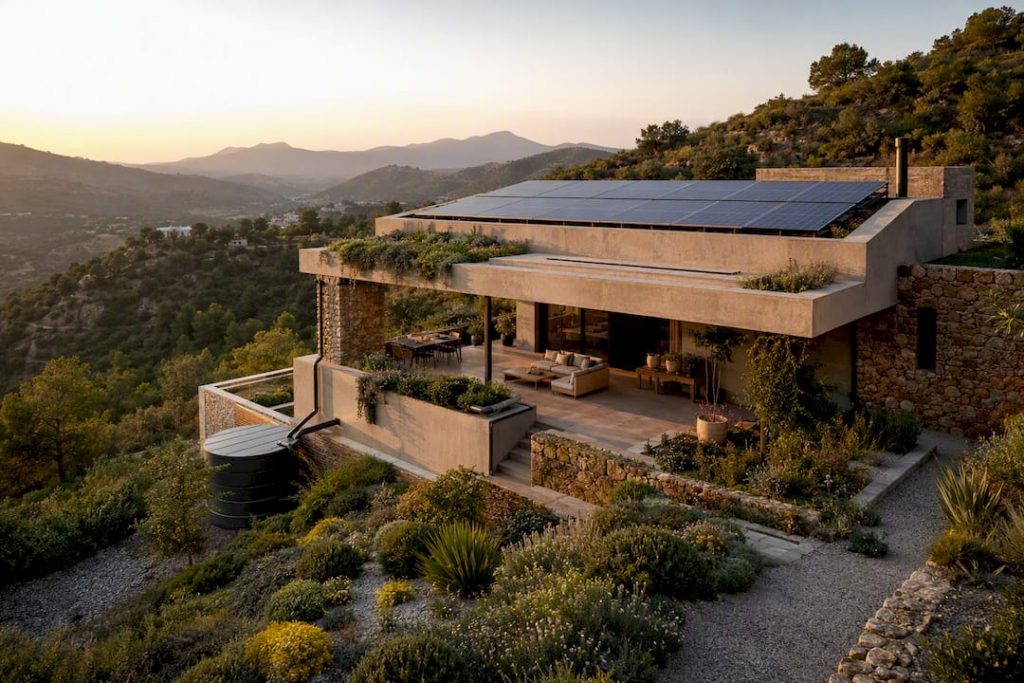
Yes, eco homes exist across the Costa Blanca, and the ones worth pursuing combine three things: solar generation with battery storage or a heat pump, a high-performance building fabric, and proper water management. Supply spans new-build developments with A-rated certification and older villas retrofitted to modern standards.
For UK buyers assessing a specific property, three checks matter more than any brochure claim:
- Energy systems: solar panels paired with battery storage or an aerothermal heat pump, not one without the other
- Building fabric: insulation levels, glazing quality and airtightness, since these determine whether the energy systems ever get used efficiently
- Water measures: rainwater harvesting, greywater reuse or smart irrigation, given the region’s drought exposure
Before any offer, ask for the official energy certificate and the last twelve months of utility bills. Paper promises about “eco” features mean little without both documents in hand.
Key Takeaways
Genuine eco homes on the Costa Blanca combine solar generation with storage, high-performance insulation and glazing, and dedicated water management, verified through the official energy certificate rather than marketing claims.
| Point | Details |
|---|---|
| Check the energy certificate first | Request the Certificado de Eficiencia Energética plus twelve months of utility bills before valuing any eco claim. |
| Prioritise fabric over gadgets | Roof insulation, HR++ glazing and shading typically deliver more comfort than extra solar capacity alone. |
| Water systems matter regionally | Rainwater harvesting, greywater reuse and drought-tolerant landscaping address the Costa Blanca’s real climate risk. |
| Retrofit older homes in order | Insulate and reglaze first, then add renewable systems, to avoid paying twice for the same comfort gain. |
| Work with local verification | Fiesta Properties checks installation records and energy certificates against actual performance before listings reach UK buyers. |
Table of Contents
- What makes a home eco on the Costa Blanca
- Where to find eco homes across the Costa Blanca
- What eco features cost and what they save
- Retrofitting an older Costa Blanca home for sustainability
- How to evaluate and buy an eco home: a due-diligence checklist
- Energy certificates and recognised sustainability standards
- Climate resilience: coping with heat and drought on the Costa Blanca
- Local rules and incentives for eco homes in Costa Blanca
- Community infrastructure supporting green living
- How Fiesta Properties helps you judge genuine eco credentials
- Finding your eco home with Fiesta Properties
- Sources
What makes a home eco on the Costa Blanca
An eco home here earns the label through four overlapping systems, not a single feature bolted onto an otherwise ordinary build.
Energy starts with solar PV, and the region’s climate makes this an easy calculation: the Costa Blanca averages over 300 days of sunshine a year, which is why battery storage has become the standard companion to panels rather than an optional extra. Solar thermal panels handle hot water separately, freeing PV output for the home’s electrical load. Aerothermal heat pumps, which draw ambient heat from the air to run heating, cooling and hot water through one system, appear in most newer developments and cut the reliance on resistive electric heating that older Spanish properties still use.
Building fabric is where many older properties fall short. Roof insulation delivers the biggest single improvement in a hot climate because heat gain through an uninsulated roof outpaces almost any other loss point. HR++ glazing, external shading (shutters, pergolas, deep eaves) and tight airtightness around doors and windows work together, and Passive House principles treat these as inseparable rather than a menu to pick from.
- Assess the roof and walls first for insulation thickness before anything else
- Check glazing specification and look for double or HR++ units, not single-pane originals
- Review shading, since a well-placed pergola can do more for summer comfort than an oversized air-conditioning unit
- Confirm water systems: rainwater harvesting for irrigation, greywater reuse for toilets or gardens, and low-flow taps and showerheads
- Ask about finishes: low-VOC paints and durable local stone or timber reduce both environmental impact and indoor air pollutants
Pro Tip: Orientation and shading often save more energy over a Mediterranean summer than adding extra solar capacity. A south-facing terrace with a deep overhang can keep a living room several degrees cooler without any electricity at all.
Where to find eco homes across the Costa Blanca
Certain towns have become natural hubs for sustainable building, usually because local developers or renovation specialists have concentrated their efforts there.
- Jávea: demand for eco-friendly homes has grown steadily, with architects and builders increasingly applying passive-house principles, solar panels and water-saving systems to both new builds and renovated villas
- Altea Hills: known for exclusive villa developments where sustainable specification is part of the sale, not an afterthought, reflecting the area’s higher-end buyer profile
- Finestrat: newer developments here regularly carry A-rated energy certificates, often bundled with aerothermal systems as standard
- Dénia and select inland pockets: a mix of renovated fincas and smaller sustainable schemes, generally at gentler price points than the coastal hotspots
Infrastructure matters as much as the property itself. Areas with decent public transport links and clear local planning support reduce a household’s transport footprint and make retrofit permissions more predictable, both of which count when comparing otherwise similar listings.
What eco features cost and what they save
Sustainability features carry a premium, but the range varies enormously depending on specification and whether the work happens during a new build or retrofit.
- Solar PV with battery storage typically adds a noticeable but recoverable premium over a basic system without storage
- Heat pumps cost more upfront than traditional air-conditioning units but eliminate a second heating system entirely
- High-spec insulation and HR++ glazing add cost during construction but are far cheaper to install then than to retrofit later
Specialist renovation contractors on the Costa Blanca report savings of up to 50% on heating and cooling bills after targeted insulation and glazing upgrades, one of the clearest payback signals available for older properties.
On resale, energy certificates, solar installations and good insulation measurably increase rental and resale appeal on the Costa Blanca, a factor UK investors should weigh alongside rental yield projections. Currency exposure between sterling and euros affects the real cost of any premium you pay, and financing an eco upgrade from the UK usually calls for independent tax advice before you commit, since Spanish and UK reporting obligations differ.
Retrofitting an older Costa Blanca home for sustainability
Most eco homes on the Costa Blanca were not built eco. They were renovated, and the order of works determines whether the investment pays back quickly or drags.
- Insulate the roof first, since it is the single largest source of heat gain in an uninsulated Mediterranean property
- Replace glazing with HR++ units and add external shading where the original design lacked any
- Improve ventilation to prevent the airtightness gains from trapping stale air indoors
- Add renewable systems: solar PV with battery storage, solar thermal for hot water, and an efficient heat pump for cooling and heating
- Group works by cost and impact: insulation and shading sit in the low-to-medium cost, high-impact category; heat pumps and battery storage cost more but transform running bills; full glazing replacement across a large villa sits at the higher end
Pro Tip: Ask any contractor for before-and-after energy modelling on comparable jobs, not just a materials quote. A specialist who can show real bill reductions on similar properties is worth more than one offering the lowest price.
Reputable local contractors will hold current permits and offer written warranties on both materials and labour. Confirm both before signing anything, particularly on structural insulation work.
How to evaluate and buy an eco home: a due-diligence checklist
Verifying eco claims before you exchange contracts protects you from paying a premium for features that do not perform as described.
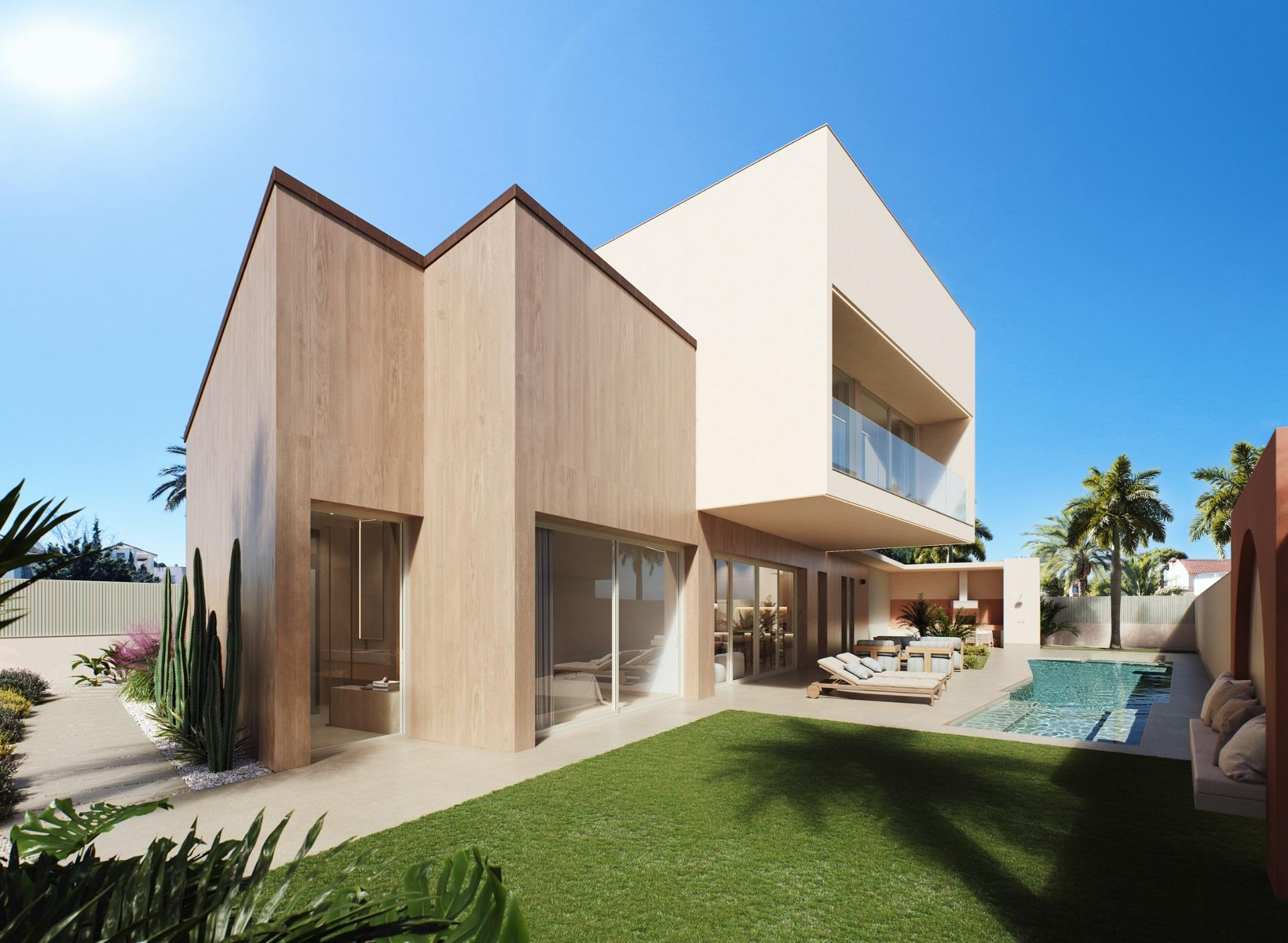
Request the official Certificado de Eficiencia Energética (the Spanish energy certificate), plus installation records for any solar array or heat pump, warranty documents, and at least twelve months of recent utility bills. The certificate alone is not enough. Bills reveal how the systems perform in practice, which can differ sharply from the rating on paper.
At viewings, ask the seller or developer about:
- Building orientation and how shading was designed into the layout
- Whether any systems (solar, water) are shared across a community and how those costs are split
- Planned works on the building or development, and who is responsible for future maintenance
A property with excellent solar capacity but no clarity on community water licences or shared system costs can turn an attractive purchase into an ongoing dispute. Get every shared arrangement in writing before you commit.
Confirm community fees, water licences, and whether the property carries or could carry a tourist licence if you plan to rent it out. RICS guidance on sustainability in property valuation is a useful reference point for understanding how these credentials should factor into a fair asking price. Fiesta Properties’ local team can verify documentation, arrange viewings and introduce trusted contractors, which matters most when you are buying from the UK and cannot inspect every claim in person.
Energy certificates and recognised sustainability standards
Every property sold or rented in Spain requires an energy certificate rating the building from A (most efficient) to G (least efficient), and this single document is the fastest way to compare two otherwise similar listings. Developers increasingly market A-rated certifications alongside aerothermal systems, pre-installation for EV charging and double glazing as standard features in new Costa Blanca builds.
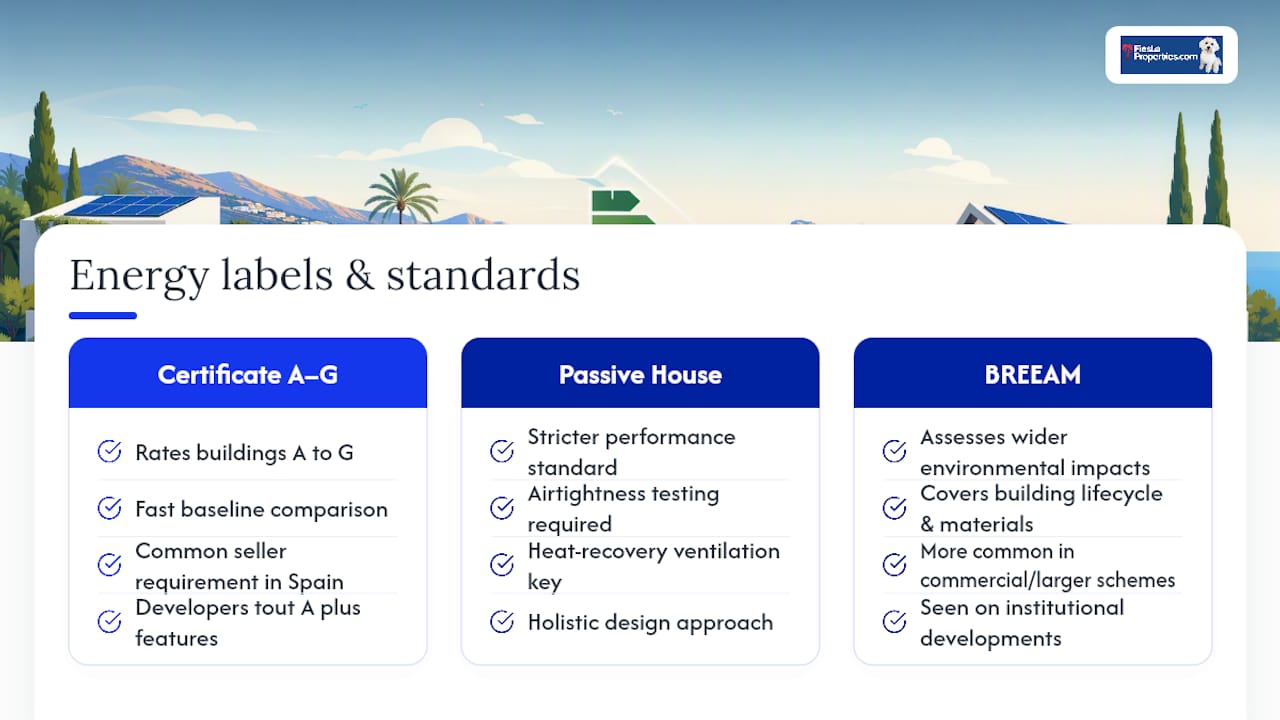
Passive House is a different and stricter proposition. It is a performance standard built on airtightness testing, heat-recovery ventilation and a holistic design approach rather than the addition of isolated features like solar panels. A property can carry an A-rated certificate without meeting Passive House criteria, and the two should not be treated as interchangeable when comparing listings. BREEAM, more common in commercial and larger residential schemes, assesses a wider set of environmental impacts across the building’s lifecycle, from materials sourcing to water use, and appears occasionally on larger Costa Blanca developments aimed at institutional buyers.
For a UK buyer, the practical takeaway is simple: treat the energy certificate as the baseline check on every property, and treat any Passive House or BREEAM claim as something to verify against actual certification paperwork, not marketing copy. Design choices around orientation and shading matter as much as the technology installed, and a strong certificate on paper still deserves a look at how the building actually performs through a full summer.
Climate resilience: coping with heat and drought on the Costa Blanca
Heatwaves and drought are the two climate pressures that shape genuinely resilient Costa Blanca homes, and they call for different responses, which is why understanding why choose energy efficient cooling is essential to sustainable design.
For heat, passive cooling strategies do more long-term work than air conditioning alone: thick walls, cross-ventilation, external shutters and shaded terraces keep indoor temperatures manageable without constant electricity draw. Homes built with these principles in mind cope with extended summer heat far better than those relying purely on mechanical cooling, which strains both the electricity grid and household bills during peak months.
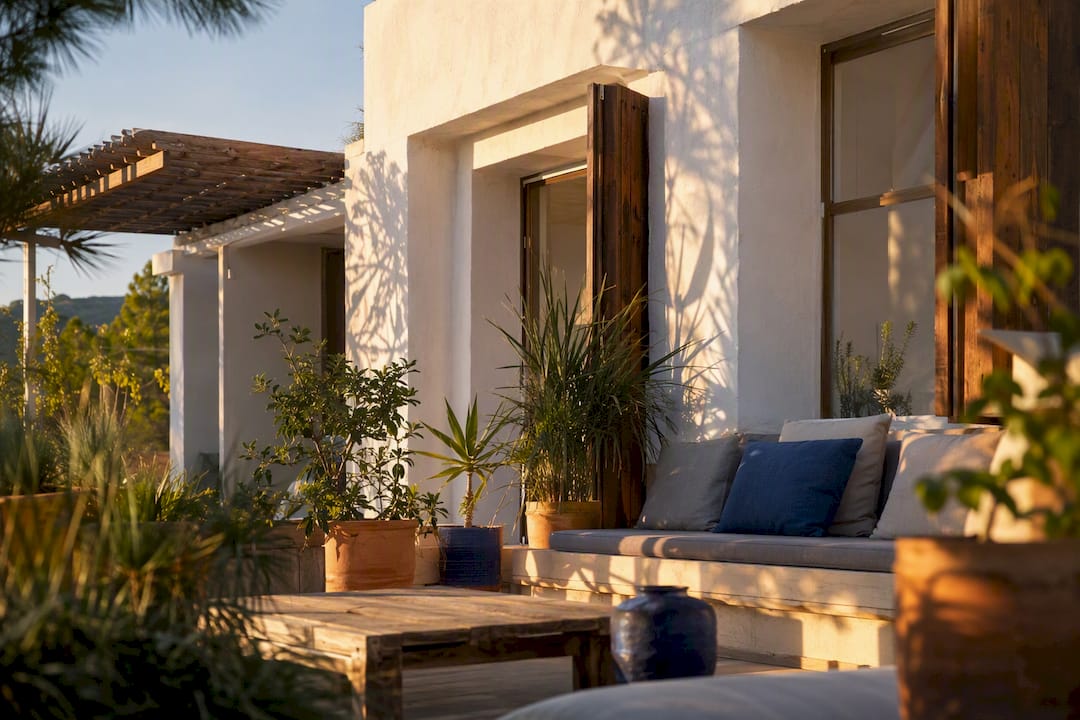
For drought, rainwater harvesting systems and greywater reuse reduce dependence on mains supply, particularly for garden irrigation, which is often the largest single water draw on a Costa Blanca property with any outdoor space. Drought-tolerant landscaping, using native Mediterranean species instead of thirsty lawns, cuts irrigation demand further and suits the local climate rather than fighting it. Smart irrigation controllers that respond to soil moisture and weather forecasts prevent the waste that comes from fixed watering schedules.
Buyers should treat both heat and drought resilience as connected rather than separate concerns. A property with good passive cooling generally needs less mechanical air conditioning, which means less strain on any solar and battery system, which in turn frees capacity for other loads. Ask about water storage capacity and shading provision together when comparing properties, since a strong answer on one usually signals genuine sustainable design rather than a single marketed feature.
Local rules and incentives for eco homes in Costa Blanca
Spanish building regulations require the energy certificate on every sale or rental, and new builds must meet minimum insulation and efficiency standards under the national building code, which has tightened over recent years to push developers toward higher-rated construction as standard rather than optional.
Regional and local incentives for renewable installations exist in various forms across Spanish municipalities, including reductions on certain local taxes for properties installing solar panels or improving energy efficiency. These schemes vary by town hall and change periodically, so confirm current incentives directly with the local ayuntamiento or through a Spanish tax adviser rather than relying on general guides, since misreading eligibility can cost more than the incentive is worth.
Water use restrictions and irrigation licensing also fall under regional control in parts of the Valencian Community, particularly relevant if a property includes a private pool or significant garden irrigation. Buyers planning substantial landscaping or a new pool should check water licence requirements before finalising plans, not after.
For renovation work, permitting requirements depend on whether changes affect the building’s structure or external appearance. Straightforward insulation and glazing upgrades usually need less paperwork than anything altering a roofline or façade, but requirements differ by municipality. This is one area where a local contractor with recent permitting experience in the specific town saves considerably more time than researching the rules yourself from the UK.
Community infrastructure supporting green living
Sustainability on the Costa Blanca increasingly extends beyond individual properties into the neighbourhoods around them. Several municipalities run organised recycling programmes with colour-coded bins for paper, glass, plastic and organic waste, a system UK buyers generally find familiar but worth confirming locally, since collection schedules and sorting rules vary by town.
Newer developments, particularly around Finestrat and parts of Jávea, are increasingly planned with shared green spaces, communal solar installations for common areas, and EV charging points built into the estate infrastructure rather than added later. This kind of shared infrastructure matters because it reduces the burden on any single household to fund and maintain sustainability features alone, and it tends to signal a developer that has thought about long-term running costs rather than just the initial sale.
Community water management is another area where infrastructure quality varies sharply between older and newer developments. Some communities operate shared irrigation systems using treated or recycled water for communal gardens, which reduces demand on mains supply across the whole development rather than just one property. When comparing developments, ask whether communal areas use recycled water, whether there is shared solar generation for lighting or pool pumps, and how maintenance costs for that infrastructure are split among owners. A development with strong shared systems can outperform an individually excellent villa sitting inside a community with no coordinated approach at all.
How Fiesta Properties helps you judge genuine eco credentials
Across the properties in our network, from new-build developments to older renovated villas, we flag genuine eco features rather than marketing language dressed up as sustainability. That means checking energy certificates against actual installation records before a listing reaches a UK client.
We arrange specialist surveys where a property’s claims need independent verification, and we introduce buyers to local contractors for renovation quotes when a home shows retrofit potential rather than finished eco specification. For international buyers, that local layer of verification often matters more than any brochure detail.
— Mike
Finding your eco home with Fiesta Properties
Fiesta Properties gives you one advantage the listings sites cannot: a local team that checks energy certificates and installation records before a property ever reaches your shortlist, so you are not the one chasing paperwork from the UK. Our network covers over 3,000 properties across the Costa Blanca, including new-build developments with A-rated certification and second-hand homes with genuine retrofit potential.
Our service includes tailored search based on the eco priorities that matter to you, whether that is solar and battery capacity or water management systems, verification of the credentials sellers claim, coordinated viewings, and referrals for conveyancing once you are ready to proceed. If you are weighing new-build inventory specifically, our new build properties across the Costa Blanca page is a practical starting point, and our guide to the Costa Blanca buying process walks through what UK buyers need at each stage.
The next step is straightforward: browse our current properties for sale in Costa Blanca South or get in touch to request a shortlisting consultation built around your eco priorities.
Sources
- Eco-Friendly Homes & Sustainable Living in Jávea — Jávea Travel Guide
- Exploring sustainable homes on the Costa Blanca — The Olive Press
- Sustainable Renovation Costa Blanca — GLS Renovation
This article is general information, not a substitute for advice from a qualified financial advisor. Consult a qualified financial professional about your own circumstances before acting on anything here.