





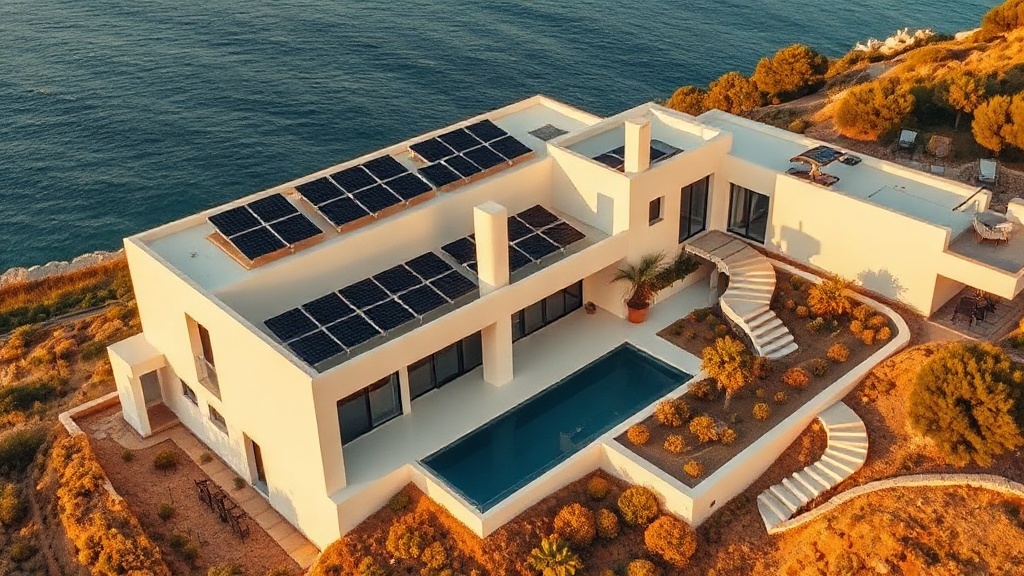
Alicante is rewriting the rulebook on luxury property. Gone are the days when opulent living meant excessive energy bills and environmental compromise. Today’s discerning buyers want something different: homes that combine Mediterranean elegance with genuine sustainability. And Alicante is delivering exactly that.
The shift isn’t just about installing a few solar panels and calling it a day. We’re seeing a fundamental transformation in how luxury properties are designed, built, and experienced along this stunning coastline. From innovative water management systems to architectural designs that work with the climate rather than against it, eco-friendly luxury homes in Alicante represent a smarter approach to premium living.
Why Alicante Is Leading the Sustainable Luxury Movement
Location matters when it comes to eco-friendly design, and Alicante has natural advantages that developers are finally learning to harness. With over 300 days of sunshine annually, solar energy isn’t just viable here—it’s abundant. The Mediterranean climate means homes can be designed with natural ventilation in mind, reducing reliance on air conditioning without sacrificing comfort.
But the real catalyst has been market demand. International buyers, particularly from Northern Europe, are increasingly eco-conscious. They want luxury, certainly, but not at the expense of their values. This has pushed developers to innovate, creating properties that achieve energy ratings of A or B while maintaining the high-end finishes and amenities that luxury buyers expect.
The region’s varied terrain also allows for creative architectural solutions. Hillside locations offer natural cooling through elevation and breeze exposure. Coastal developments can incorporate sea views while positioning windows to maximize cross-ventilation. It’s this marriage of environmental intelligence and location-specific design that sets Alicante apart.
What Makes a Luxury Home Truly Eco-Friendly
Not all green credentials are created equal. The best eco-friendly luxury properties in Alicante go far beyond token gestures. They integrate sustainability into every aspect of the build.
Solar panels are standard, but the quality matters. Premium developments use high-efficiency photovoltaic systems paired with battery storage, allowing homes to run largely off-grid during Alicante’s long summer months. Some properties generate enough surplus energy to sell back to the grid, effectively making them income-producing assets.
Water management is equally critical in a region where summer drought is common. Advanced properties feature greywater recycling systems that repurpose water from showers and sinks for garden irrigation. Rainwater harvesting systems, though less common given Alicante’s climate, appear in the most forward-thinking developments. Native, drought-resistant landscaping reduces water needs while maintaining visual appeal.
Insulation technology has improved dramatically. Modern eco-luxury homes use materials that keep interiors cool in summer and warm during the mild winters, dramatically reducing heating and cooling costs. Triple-glazed windows, thermal breaks in construction, and reflective roofing materials all contribute to exceptional energy efficiency.
The Financial Case for Eco-Luxury
Sustainability isn’t just an ethical choice—it’s increasingly a financial one. Energy costs across Spain have risen significantly in recent years, and this trend shows no signs of reversing. An eco-friendly luxury home in Alicante can reduce annual energy costs by 60-80% compared to conventional properties of similar size.
The initial premium for green features typically ranges from 5-10% above standard luxury construction. However, this investment recovers quickly through reduced utility bills. More importantly, these properties command premium resale values and rental income when compared to conventional luxury homes.
European Union regulations are tightening around property energy efficiency. From 2030, certain property transactions may face restrictions based on energy ratings. Buying an eco-certified luxury home now means future-proofing your investment against regulatory change.
Key Areas Where Eco-Luxury Is Thriving
Certain pockets of Alicante have emerged as hotspots for sustainable luxury development. The areas around Finestrat and Polop offer hillside locations that naturally lend themselves to eco-design, with elevation providing cooling breezes and stunning views. These locations attract developers willing to invest in premium sustainable features.
Closer to Alicante city, areas like El Campello and San Juan are seeing luxury apartment developments with communal solar installations, shared electric vehicle charging infrastructure, and green roof gardens that reduce the urban heat island effect. When exploring different property areas and their unique characteristics, the sustainability features increasingly influence pricing and appeal.
For those interested in new construction, many eco-luxury developments are new build properties where sustainability is designed in from the ground up rather than retrofitted. This allows for integrated solutions that would be impossible to achieve in existing structures.
Beyond the Build: Sustainable Luxury Living
The best eco-friendly developments in Alicante think beyond individual properties. Masterplanned communities are incorporating electric vehicle charging stations, bicycle storage and paths, and even car-sharing schemes to reduce the need for multiple vehicles per household.
Communal facilities are designed with sustainability in mind. Shared swimming pools use salt chlorination systems that eliminate harsh chemicals. Fitness centers feature natural lighting and ventilation. Landscaped gardens use xeriscaping principles—selecting plants that thrive with minimal water.
Some developments partner with local organic farms for delivery services or create communal garden spaces where residents can grow produce. These touches transform sustainability from a technical specification into a lifestyle choice.
What to Look For When Buying
Not all properties marketed as eco-friendly truly earn the label. When evaluating options, request the official energy certificate and look for ratings of A or B. Ask specific questions about solar capacity, battery storage, and water management systems.
Check whether the property uses aerothermal heating and cooling systems, which extract energy from the air—far more efficient than traditional systems in Alicante’s climate. Inquire about insulation specifications and window glazing quality.
For new developments, ask about the builder’s track record with sustainable construction. Some developers have made eco-luxury their specialty, while others simply add solar panels to conventional designs and market them as green.
Consider the location’s walkability and public transport access. A truly sustainable home isn’t isolated—it’s connected to amenities and services without requiring constant car use.
The Road Ahead
Alicante’s eco-friendly luxury market is still evolving, and the trajectory is exciting. Emerging technologies like smart home systems that optimize energy use based on occupancy and weather forecasts are becoming standard in premium developments. Some builders are experimenting with living walls and green roofs that provide additional insulation while supporting local biodiversity.
Battery technology continues improving, making full energy independence increasingly realistic. Within a few years, the best eco-luxury homes in Alicante may generate all their own power, harvest and recycle all their own water, and operate at net-zero environmental impact while providing every comfort modern luxury buyers expect.
For buyers who value both environmental responsibility and refined living, Alicante offers something genuinely special: the chance to own a home where luxury and sustainability aren’t competing priorities but complementary ones. That’s not just the future of property—it’s the smart choice for anyone investing in this remarkable region today.